Multi-Agent Orchestration in Enterprise: Comparing LangGraph, CrewAI, and AutoGen for Business Workflow Automation and AI Optimization

About the Author: Marcus VanceMarcus Vance is the Principal AI Systems Architect at InnovAit AI, with over 15 years of experience specializing in distributed systems, large language model (LLM) orchestration, and enterprise knowledge graph deployment. His expertise bridges advanced AI architectures with practical enterprise solutions, driving innovation in multi-agent orchestration frameworks and scalable AI systems integration.
Multi-Agent Orchestration in Enterprise: Comparing LangGraph, CrewAI, and AutoGen for Business Workflow Automation and AI Optimization
By Eric Siversen, InnovAit AI
In the realm of modern enterprise, efficient workflow automation is paramount to maintaining competitive advantage. Multi-agent orchestration frameworks like LangGraph, CrewAI, and AutoGen provide innovative solutions for automating complex tasks across various business processes. This article will explore these leading platforms, discussing their core functionalities, comparative advantages, and how they cater to enterprise-level needs. Readers can expect valuable insights into the practical applications of these tools, the benefits of integrating AI into workflow automation, and strategic best practices for successful implementation. By examining these elements, this exploration will illuminate how businesses can enhance productivity, efficiency, and operational effectiveness using advanced orchestrated systems.
Visualizing Multi-Agent Coordination Patterns
What Are LangGraph, CrewAI, and AutoGen? Overview of Leading Enterprise AI Orchestration Tools
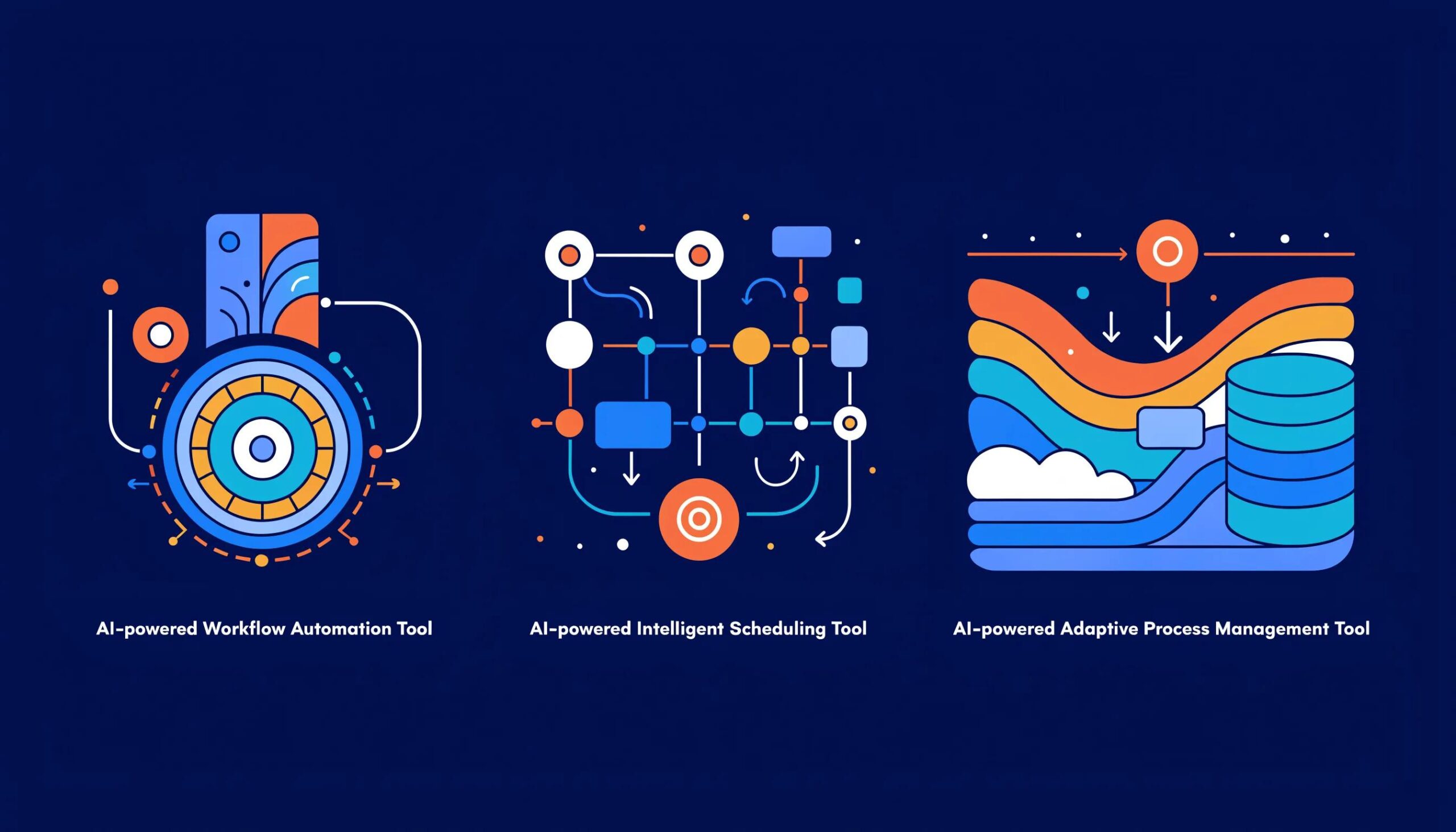
LangGraph, CrewAI, and AutoGen represent prominent AI orchestration tools designed to facilitate automation in enterprise environments. Each platform offers distinct features and functionalities that cater to differing business needs. LangGraph provides a comprehensive approach to integrate various AI models for optimized processes, while CrewAI focuses on collaborative task management among agents, enhancing team workflows. AutoGen automates content generation and routine tasks, significantly reducing operational workload. Understanding these tools’ unique attributes not only aids in selecting the appropriate systems for enterprise use but also highlights their collective role in driving AI-driven efficiencies.
How Do These AI Frameworks Support Business Workflow Automation?
Each of these frameworks enhances workflow efficiency through several key mechanisms. Leveling workflow automation enables companies to allocate resources more strategically and reduce time spent on repetitive tasks. For example, LangGraph automates complex decision-making processes, providing real-time insights that facilitate quicker response times. CrewAI excels in fostering collaboration within teams, ensuring that projects are streamlined through automated updates and task assignments. AutoGen simplifies content creation, allowing businesses to maintain momentum in marketing and communication without the heavy manual time investment typically required. The cumulative effect of these innovations results in pronounced time and cost savings, demonstrating significant value to enterprises.
Recent academic research provides a critical perspective on how these various orchestration frameworks perform when applied to high-stakes, regulated business environments.
Evaluating Multi-Agent Frameworks for Enterprise Compliance
We empirically evaluate four frameworks (CrewAI, Embabel, LangChain, and n8n) across three dimensions: type safety, reasoning auditability, and legacy interoperability. The evaluation is grounded in a real-world instantiation within a state penitentiary agency, involving automated processing A Comparative Evaluation of AI Agent Orchestration Frameworks for Regulated Environments, 2026
What Core Features Differentiate LangGraph, CrewAI, and AutoGen?
Understanding the core features that distinguish these platforms is critical for businesses seeking to implement an effective automation strategy. The following table summarizes the unique attributes of each tool:
These features situate LangGraph, CrewAI, and AutoGen uniquely within the market, catering to various segments of enterprise requirements from model diversity to collaborative efficiencies and content automation.
Comprehensive Multi-Dimension Evaluation of LangGraph, CrewAI, and AutoGen
How Do LangGraph, CrewAI, and AutoGen Compare in Managing Multi-Agent Enterprise Systems?
The management capabilities of these platforms vary significantly, offering different strengths depending on the business context. By understanding these differences, enterprises can select the platform best suited to their operational objectives and resource allocation.
What Are the Key Differences in AI Orchestration Frameworks for Enterprises?
Overall management capacities across LangGraph, CrewAI, and AutoGen can be discerned through a few critical differentiators. While LangGraph is designed for flexibility in model integration, CrewAI’s strength lies in managing collaborative environments effectively. In contrast, AutoGen focuses specifically on automating content creation processes. Organizations must assess their immediate needs and strategic goals when considering which framework offers the best fit for their multi-agent systems.
How Do These Platforms Handle Agentic Systems for Workflow Automation?
The efficacy of these platforms in managing agentic systems for workflow automation includes various operational efficiencies. For instance, LangGraph’s ability to process vast amounts of data through integrated models allows businesses to react swiftly to operational changes and insights. CrewAI, on the other hand, provides exceptional management of collaborative tasks among agents or team members, making it ideal for projects requiring ongoing communication and updates. AutoGen further augments this by taking the burden of content creation off team members, freeing them to focus on strategic initiatives. Each platform exemplifies distinct strengths that bolster workflow automation through advanced technologies.
What Business Benefits Result from Implementing AI Multi-Agent Orchestration with LangGraph, CrewAI, and AutoGen?
Implementing AI-driven multi-agent orchestration frameworks can yield significant advantages in business operations by enhancing efficiency and enabling informed decision-making.
- Operational Efficiencies: By automating repetitive tasks, companies can allocate resources to more value-added activities.
- Improved Decision Making: Real-time data analysis enhances the decision-making process, leading to quicker, more accurate insights.
- Cost Savings: Automation reduces labor costs associated with manual task completion, demonstrating measurable ROI through efficiency gains.
These business benefits highlight the potential of adopting such orchestration tools while aligning with strategic operational goals.
How Does AI-Driven Workflow Automation Improve Enterprise Efficiency?
AI-driven workflow automation fosters enterprise efficiency through improved task scheduling, resource management, and operational visibility. For example, frameworks that facilitate dynamic task allocation help teams work smarter, reducing bottlenecks and promoting continuous progress across projects. Studies show that enterprises adopting these techniques often achieve a 25-40% increase in productivity. Furthermore, reduced manual intervention allows teams to focus on higher-level strategies rather than tedious execution, thereby enhancing the overall agility of the organization.
What Use Cases Showcase Enhanced AI Search Visibility and Marketing Impact?
Besides improving workflow automation, these AI orchestration platforms can enhance marketing strategies by increasing search visibility through intelligent content management.
- Enhanced Search Engine Optimization (SEO): Integrating AEO and GEO methods into AI frameworks optimizes content for better visibility.
- Personalized Marketing Campaigns: Automated systems can adjust messaging based on user data and behavior, leading to more tailored outreach.
- Data-Driven Marketing Decisions: Insights derived from multi-agent systems provide actionable intelligence for effective marketing strategies.
These use cases illustrate how modern AI orchestration integrates into broader marketing initiatives, yielding substantial visibility and impact.
How Do Answer Engine Optimization and Generative Engine Optimization Integrate with Enterprise AI Orchestration?
The integration of Answer Engine Optimization (AEO) and Generative Engine Optimization (GEO) represents a crucial strategy for enterprises leveraging AI orchestration frameworks. These approaches allow organizations to enhance their visibility in AI-driven search environments, catering to a progressively sophisticated consumer landscape.
Why Are AEO and GEO Critical for AI Search Marketing Strategies?
AEO aims to ensure that businesses deliver precise answers that align with user intent in real time, enhancing customer satisfaction and engagement. On the other hand, GEO focuses on generating content that not only addresses queries but also captivates and retains user attention. As AI technologies evolve, employing these optimization techniques becomes fundamental for anyone looking to strengthen their digital marketing efforts effectively.
How Can Enterprises Combine AI Orchestration Frameworks with AEO and GEO for Growth?
To effectively drive ROI, enterprises should aim to synchronize AI orchestration tools with AEO and GEO strategies. For instance, an integrated approach leverages data analytics from AI platforms to inform content strategy, ensuring that outputs meet the evolving expectations of consumers. This alignment enhances outreach effectiveness and supports sustainable growth while fostering a reputation for precision in service delivery.
What Are Best Practices for Implementing and Scaling Multi-Agent Orchestration in Enterprise Workflows?
Implementing and scaling multi-agent orchestration within enterprises demands a methodical approach to ensure effective integration and optimization of systems.
- Define Clear Objectives: Establishing well-defined goals from the onset allows businesses to focus efforts on their most critical needs.
- Select the Right Tool: Carefully assess the functionalities of LangGraph, CrewAI, and AutoGen to determine which aligns best with your operational requirements.
- Commit to Ongoing Optimization: Continuous monitoring and adjustment based on performance metrics can significantly improve system efficiencies over time.
By adhering to these guidelines, organizations can navigate the complexities of integrating advanced orchestration frameworks into their existing processes.
Which Steps Ensure Effective Integration of LangGraph, CrewAI, or AutoGen in Business Systems?
Effective integration of systems like LangGraph, CrewAI, or AutoGen starts with thorough planning and upfront engagement with all levels of the organization. Key steps include:
- Stakeholder Buy-In: Ensuring that key players understand and support the objectives of the integration is crucial for overcoming resistance.
- Training and Development: Investing in comprehensive training programs prepares teams to utilize the new tools effectively, enhancing overall adoption rates.
- Establish Metrics for Success: Setting clear, measurable outcomes allows businesses to evaluate the effectiveness of their implementation efforts continuously.
Following these steps lays a solid foundation for successful transformations towards AI-driven efficiency.
How Can Enterprises Monitor and Optimize AI Agent Performance Over Time?
Monitoring and optimizing AI agent performance revolves around utilizing analytical tools to assess interactions and outputs systematically. Businesses can employ various techniques to ensure that their systems remain effective and relevant:
- Implement Regular Evaluations: Frequent assessments help capture performance data that inform future adjustments and enhancements.
- Solicit User Feedback: Gathering feedback from team members who engage with the systems can yield practical insights regarding usability and functionality.
- Adapt to Emerging Trends: Keeping abreast of technological advancements and market trends ensures that AI systems evolve continuously to meet changing demands.
Through dedicated performance monitoring and adaptive strategies, enterprises can drive considerable enhancements in system output and relevance.
What Future Trends Are Emerging in Agentic Systems and AI Search Visibility for Enterprises?
The evolution of AI orchestration frameworks is anticipated to lead to significant developments within business operation landscapes, particularly concerning agentic systems and search visibility enhancements.
How Will Evolving AI Orchestration Frameworks Impact Enterprise Automation?
Advancements in AI orchestration frameworks indicate a future where automation becomes increasingly sophisticated. Innovations in machine learning and natural language processing will allow these systems to handle more intricate tasks autonomously while improving their interactions with human operators. Such changes promise not only to organize operations but also to foster better integration with daily business functions, making automation a more integral aspect of standard enterprise methodology.
What Advances Are Anticipated in AI SEO, AEO, and GEO Over the Next Years?
As the digital marketing landscape changes, so do the techniques and best practices for successful SEO. Anticipated advancements in AI SEO techniques emphasize hyper-personalization and the use of historical data to predict future trends. The alignment between AEO and GEO strategies will likely become even more pronounced, as companies strive to provide more engaging, relevant experiences for users in a crowded digital marketplace.
About the Author: Marcus VanceMarcus Vance is the Principal AI Systems Architect at InnovAit AI, bringing over 15 years of expertise in distributed systems, LLM orchestration, and enterprise multi-agent system deployments. His leadership and technical insights have been pivotal in advancing the adoption and optimization of multi-agent orchestration frameworks across diverse industries.