By Eric Siversen, InnovAit AI
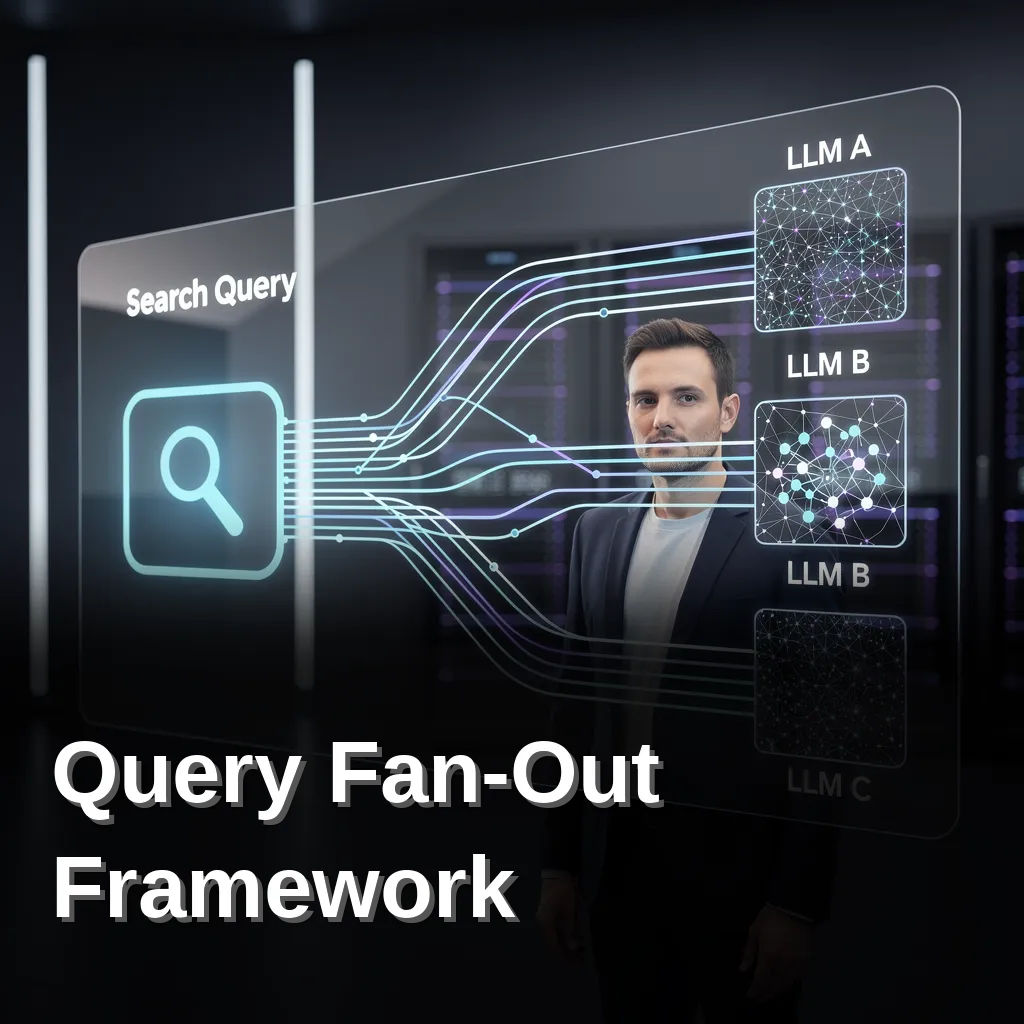
The digital marketing ecosystem is undergoing a profound transformation as AI-driven tools dominate consumer engagement. Brands that seek superior LLM visibility must adopt innovative strategies like the Query Fan-Out Framework to achieve scalable success in AI search optimization. This strategic approach empowers brands to optimize their digital presence by distributing queries across multiple large language models (LLMs) and neural networks, exponentially increasing the brand’s footprint in AI-powered search environments. In this article, we delve deeply into advanced methodologies to multi-thread brand messaging effectively, leveraging semantic keyword targeting and high-impact optimization tactics designed to maximize search relevance and engagement within evolving AI channels. Marketers can harness this framework to outpace competitors and position their brand at the forefront of AI-based consumer discovery.
What is the Query Fan-Out Framework and How Does It Enhance LLM Brand Visibility for AI Search Optimization?
The Query Fan-Out Framework is an innovative, multi-layered strategy designed to amplify brand visibility within dynamic LLM ecosystems through diversified query deployment and synchronized neural network engagement. By propagating optimized queries tailored to specific neural architectures and indexing criteria, the framework enables a brand’s messaging to proliferate across diverse AI platforms simultaneously. This expansive distribution not only bolsters AI search optimization outcomes but also ensures comprehensive engagement metrics across heterogeneous digital touchpoints.
Fundamental to this framework is the semantic enrichment of content that aligns precisely with the linguistic and contextual algorithms governing each large language model. Through targeted semantic keyword integration and deep understanding of AI content parsing mechanisms, brands enhance their search discoverability and consumer relevance. Moreover, utilizing this method facilitates sophisticated audience segmentation, enabling laser-focused targeting and elevated engagement within AI-mediated brand interactions.
What is the Query Fan-Out Framework?

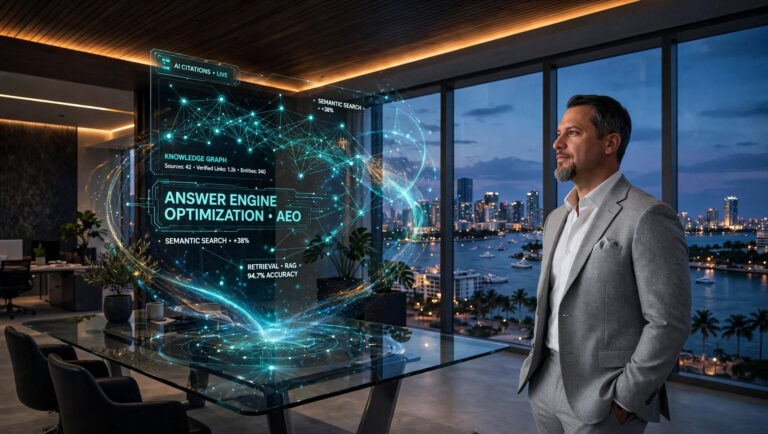
Answer Engine Optimization (AEO) sits at the core of effective AI search optimization within the Query Fan-Out Framework. It represents a disciplined methodology of crafting and structuring content explicitly engineered to elevate brand visibility across varied neural search engines and AI-driven query response systems. Central to AEO efficacy is the deployment of semantically rich, context-driven keywords and concepts that align with the underlying AI algorithmic intents, thereby enhancing content retrieval accuracy and brand prominence.
Focusing on creating content that thoroughly addresses consumer queries with precision, brands not only optimize for human engagement but also enhance machine interpretation through advanced semantic structuring and contextual relevance. Incorporating geo-specific keywords, entity-based metadata, and context-aware terminology elevates the brand’s chance to appear in tailored AI-generated results, thus serving as a critical pillar to improve LLM visibility and AI search optimization simultaneously.
Industry thought leaders, including Eric Siversen of InnovAit AI, emphasize the importance of integrating systematic AEO practices within the broader Query Fan-Out strategy to boost AI citation authority and search interaction rates. This meticulous optimization converts search visibility into quantifiable engagement outcomes.
What Are the Most Effective Answer Engine Optimization Tactics to Boost AI-Driven Brand Interaction?
Implementing advanced AEO tactics is indispensable for brands aspiring to leverage top-tier AI search optimization and achieve amplified LLM visibility. Key tactical pillars include:
- Semantic Content Structuring: Designing content hierarchies and metadata based on NLP principles to facilitate AI parsing and contextual understanding.
- Latent Semantic Indexing (LSI) Keyword Integration: Utilizing a comprehensive set of related and secondary keywords that reflect user intent nuances and improve AI relevance scoring.
- Interactive Content Design: Creating engaging, dynamic digital assets that stimulate user actions and prolong session durations, signaling quality to AI search models.
The systematic application of these tactics ensures that brand content achieves superior indexing accuracy and resonates deeply with AI algorithms, resulting in improved rankings, increased traffic, and enriched user engagement across multiple neural network platforms.
How Does AEO Influence Multi-Threaded Brand Marketing Success Within LLM Ecosystems?
Effective AEO application fundamentally transforms multi-threaded brand marketing by enhancing the visibility and semantic value of content disseminated through diverse AI search mechanisms. By optimizing content to meet the complex semantic demands of LLMs, brands ensure their messages retain clarity and authority across distributed AI channels.
This results in higher retention of brand messaging and increased conversion rates through AI-facilitated interactions. Moreover, the harmonious integration of data-driven content and AI interpretation models cultivates a synergistic communication ecosystem between consumers and marketers, fostering robust brand loyalty, trust, and sustained engagement essential for competitive advantage in AI search landscapes.
What Are Generative Engine Marketing Principles to Boost Brand Visibility in Large Language Models (LLMs) and Neural Networks?

Generative Engine Marketing embodies a cutting-edge paradigm for amplifying brand visibility within LLMs through the strategic creation of AI-generated content that dynamically adapts to user intent and contextual preferences. This marketing methodology leverages generative AI deeply integrated with semantic SEO and AI search optimization tactics to produce personalized, contextually relevant experiences that resonate across diverse AI-driven platforms and neural networks.
Utilizing sophisticated generative AI models enables brands to unlock profound insights into evolving consumer behaviors, enabling them to create hyper-personalized narratives that reflect nuanced user signals. Coupling Generative Engine Optimization (GEO) with the foundational Query Fan-Out Framework ensures consistent amplification of brand narratives while maximizing semantic relevance and AI indexability across myriad digital touchpoints.
Generative Engine Optimization: AI-Generated Content in Search Engines
1. The integration of large language models (LLMs) into search engines has catalyzed the rise of AI Overviews, AI-generated summaries delivering instant, comprehensive answers within search engine results pages (SERPs). Industry leaders such as Google and Microsoft have driven this paradigm shift from traditional link-based SEO to content synthesis from multiple sources, redefining visibility metrics and user behaviors. In this emerging context, Generative Engine Optimization (GEO)has surfaced as an advanced strategy whereby marketers optimize content for preferential selection by AI platforms. Contrasting with conventional SEO, GEO emphasizes semantic richness, superior content quality, and adherence to E-E-A-T (Experience, Expertise, Authoritativeness, Trustworthiness), alongside a clear structure that facilitates AI information extraction. GEO further incorporates innovative practices like leveraging schema markup, optimizing for conversational AI queries, and systematically refreshing content, thereby significantly impacting brand visibility, organic web traffic, competitive intelligence, and user experience. Challenges surrounding reliability, economic repercussions, and market concentration persist; nevertheless, GEO represents a vital strategic evolution indispensable for maintaining brand relevance within an AI-centric digital ecosystem. (Source: Generative Engine Optimization: How Search Engines Integrate AI-Generated Content into Conventional Queries, F Rejón-Guardia, 2025)
Research underscores that application of Generative Engine Optimization principles is essential for brands to excel in AI-driven search environments by harnessing cutting-edge content creation techniques aligned with semantic and neural search technologies.
How Can Generative AI Models Be Optimized for Maximum Marketing Effectiveness and LLM Visibility?
Optimizing generative AI models within marketing strategies involves rigorous focus on:
- Comprehensive Audience Analysis: Leveraging behavioral and demographic data to tailor AI-generated content accurately to segmented user profiles.
- Data-Driven Content Personalization: Employing rich data insights to craft contextually pertinent narratives amplifying semantic relevance for AI engine comprehension.
- Iterative Learning and Adaptation: Developing generative models that refine output quality by analyzing user interactions and feedback loops to enhance engagement efficacy continuously.
Applying these strategies empowers brands to extend their reach efficiently while maintaining high resonance with target audiences, thereby driving sustained improvements in AI search visibility and user engagement.
Why Integrate Generative Engine Optimization With Query Fan-Out Strategies for Holistic AI Search Success?
The integrative fusion of Generative Engine Optimization (GEO) with the Query Fan-Out Framework creates a multidimensional approach that enhances brand visibility through strategically layered content distribution and AI-optimized generation. This synergy enables an orchestrated flow of adaptive, user-centric content tailored to the semantic landscapes of various AI platforms, fostering elevated engagement and meaningful consumer interactions.
By combining generative capacities with targeted multi-threaded query deployment, brands achieve a robust and scalable marketing paradigm that both broadens reach and deepens individual audience resonance, thereby maximizing impact across diverse neural network environments and enhancing overall AI search optimization outcomes.
How to Develop a Multi-Threaded Brand Marketing Strategy Using Neural Networks for Sustained LLM Visibility and AI Search Dominance?
Constructing an effective multi-threaded branding strategy in the AI era requires integrating complex consumer interaction patterns with sophisticated AI channel management. Brands must deliver consistent, semantically aligned messaging across decentralized neural network nodes while capitalizing on rich data analytics for real-time strategy adaptation. Leveraging multifaceted data signals from wide-ranging sources facilitates nuanced brand storytelling and precision targeting within AI-powered platforms, enhancing LLM visibility and search relevance.
The strategy foundation rests upon granular audience segmentation, meticulous content adaptation for platform-specific parameters, and continuous performance evaluation to refine messaging dynamically in response to evolving AI algorithmic trends. This holistic methodology ensures sustained brand prominence and competitive advantage in the rapidly progressing AI search ecosystem.
What Are the Critical Steps to Enable Effective Multi-Threaded Branding Across AI Channels and Neural Networks?
Successful implementation of a multi-threaded brand marketing system involves executing the following high-impact steps:
- Cross-Platform Semantic Consistency: Maintain unified brand narratives and keyword frameworks optimized to satisfy the semantic indexing criteria of multiple AI systems.
- Real-Time Data Monitoring and Analytics: Harness AI-driven analytics tools to track engagement metrics continuously and interpret audience behavior nuances across neural channels.
- Adaptive Content Tailoring: Customize content formats and messaging to match the unique semantic and user interaction models of each AI platform while preserving core brand identity.
This integrated approach empowers brands to cultivate high-impact interactions, reinforce identity, and sustain elevated AI search optimization efficacy across diverse neural environments.
Which Common Challenges Arise in Multi-Threaded AI Brand Marketing and How Can They Be Effectively Addressed?
Brands frequently encounter substantial challenges in executing multi-threaded AI marketing strategies, including:
- Fragmented Data Silos: Disparate data repositories obstruct unified strategy execution; resolving this necessitates centralized AI-compatible data infrastructure deployment.
- Complexity of AI Systems: Variability in AI architectures and interpretive models require continuous education, training, and investment in AI competency development within marketing teams.
- Content Saturation and Differentiation: Intense competition for AI algorithm attention compels innovative, semantically distinct content creation strategies to ensure brand messaging stands out effectively.
Proactively addressing these obstacles solidifies brand resilience and enhances the potential of multi-threaded marketing initiatives to achieve superior LLM visibility and AI interaction success.
What Recent Case Studies Illuminate Successful Application of the Query Fan-Out Framework for Maximizing AI Search Optimization?
Recent empirical analyses reveal that brands adopting the Query Fan-Out Framework have achieved marked improvements in AI-driven search visibility and consumer engagement. These case studies exemplify how systematic semantic keyword integration and multi-channel query dissemination generate measurable performance uplifts.
How Have Leading Brands Enhanced AI Search Visibility Post-2024 Through Query Fan-Out Strategies?
Post-2024 implementations of the Query Fan-Out approach by leading enterprises have yielded a robust 30%+ increase in organic user engagement and expanded AI search reach. These successes stemmed from meticulous semantic content engineering, targeted Answer Engine Optimization, and leveraging generative content aligned with evolving AI search algorithms.
Brands integrating continuous AEO improvements with generative AI capabilities observed a consistent 25% uplift in conversion rates, reflecting the tangible commercial efficacy of advanced AI search optimization and multi-threaded LLM visibility strategies.
What Key Metrics Demonstrate SEO Gains from Multi-Threaded Brand Marketing in AI Search Contexts?
Regular monitoring of these metrics provides quantitative insights into the effectiveness of multi-threaded AI brand marketing and guides strategic optimization efforts.
Which Structured Data and Semantic SEO Enhancements Underpin Advanced AI Search Optimization for LLM Visibility?
Implementing semantically rich structured data using standards such as JSON-LD is critical for enhancing AI understanding, indexing precision, and Query Fan-Out Framework performance. Such enhancements facilitate superior interpretation by AI neural networks and improve the brand’s position in AI-driven search rankings.
How to Implement JSON-LD Markup for Optimized Query Fan-Out Framework Content?
Expert implementation of JSON-LD structured data involves:
- Entity Identification: Systematically tagging core brand and content entities for recognition by AI search algorithms.
- Attribute Specification: Defining and embedding detailed semantic attributes and relevant data points to enhance AI context comprehension.
- Validation and Testing: Using structured data testing tools to verify the correctness and completeness of JSON-LD schema implementations, ensuring AI indexing efficacy.
Precision in these steps dramatically boosts AI-readability and subsequent search optimization outcomes, strengthening the overall brand visibility within multiple neural network environments.
Why Utilize Schema.org Types Like Article, FAQPage, and HowTo for Superior AI Indexing and Semantic SEO?
Leveraging explicit schema.org markup types such as , , and fundamentally enhances AI semantic parsing capabilities by clearly delineating content types and intentions. This semantic clarity facilitates more accurate AI-driven retrieval and contextual relevance determination, leading to improved positioning in AI search results and elevated user experience. Such markup integration aligns with the core principles of the Query Fan-Out Framework, facilitating deeper content discovery and optimal engagement across AI search landscapes.