
Comprehensive Guide to Predictive Analytics and Automated Financial Forecasting
By Eric Siversen, AI Strategy Expert at GEO strategies with over 15 years of experience in AI-driven business intelligence and financial technology solutions.
What Are AI Valuation Tools and Business Intelligence? AI valuation tools are advanced software solutions that utilize artificial intelligence and machine learning algorithms to automate the analysis and valuation of financial and market data. These tools enhance business intelligence by providing accurate, real-time insights that support strategic decision-making, predictive analytics, and automated financial forecasting. By integrating vast datasets and sophisticated models, AI valuation tools empower organizations to optimize performance, reduce risks, and gain a competitive advantage in dynamic markets.
In the rapidly evolving landscape of business intelligence, AI valuation tools have emerged as pivotal instruments for enhancing decision-making processes. These tools leverage advanced algorithms to analyze vast datasets, providing insights that drive strategic planning and operational efficiency. This comprehensive guide delves into the mechanisms, benefits, and applications of AI valuation tools within the realm of predictive analytics and automated financial forecasting. Many organizations struggle with data overload and the challenge of extracting actionable insights. AI valuation tools offer a solution by automating data analysis, enabling businesses to make informed decisions swiftly. Throughout this article, we will explore the core functions of these tools, the predictive analytics techniques that fuel business success, and the transformative impact of automated financial forecasting.
AI Valuation Tools: Predictive Analytics & Automated Forecasting
Predictive analytics is a branch of advanced analytics that uses historical data, statistical algorithms, and machine learning techniques to identify the likelihood of future outcomes. This approach is crucial for businesses aiming to enhance their decision-making capabilities. By harnessing predictive analytics, organizations can anticipate market trends, customer behaviors, and operational challenges, ultimately leading to improved financial performance. The integration of AI in predictive analytics further amplifies its effectiveness, allowing for real-time data processing and analysis.
What Are AI Valuation Tools and How Do They Enhance Business Intelligence and Financial Forecasting?
AI valuation tools are sophisticated software applications designed to automate the process of data analysis and valuation. These tools utilize machine learning algorithms to assess financial data, market conditions, and other relevant factors, providing businesses with accurate valuations and forecasts. The core functions of AI valuation tools include data aggregation, predictive modeling, and real-time analytics, which collectively enhance the overall business intelligence framework.
Defining AI Valuation Tools and Their Core Functions in Business Intelligence
AI valuation tools serve as essential components in the business intelligence ecosystem. They streamline the valuation process by automating data collection and analysis, which traditionally required significant manual effort. Key functions of these tools include:
- Data Aggregation: Collecting and consolidating data from various sources to provide a comprehensive view of business performance.
- Predictive Modeling: Utilizing historical data to create models that forecast future financial outcomes.
- Real-Time Analytics: Offering immediate insights into market conditions and business performance, enabling timely decision-making.
These functions empower businesses to make data-driven decisions with greater accuracy and speed.
How AI Improves Accuracy and Efficiency in Business Intelligence and Financial Forecasting
AI significantly enhances the accuracy and efficiency of business intelligence by automating complex data analysis tasks. Traditional methods often involve manual data entry and analysis, which can lead to errors and delays. In contrast, AI algorithms can process large volumes of data quickly and accurately, identifying patterns and trends that may not be immediately apparent to human analysts. This automation not only reduces the risk of errors but also frees up valuable time for analysts to focus on strategic initiatives.
Top Predictive Analytics Techniques Driving Business Success with AI Valuation Tools

Several predictive analytics techniques are instrumental in driving business success. These techniques leverage data to inform strategic decisions and optimize operations. Understanding these methods is crucial for organizations looking to enhance their competitive edge. For more on leveraging advanced analytics, exploring solutions like those offered by AI valuation tools can provide a significant advantage.
Machine Learning Valuation Models Explained: Enhancing Predictive Accuracy
Machine learning valuation models are at the forefront of predictive analytics. These models utilize algorithms that learn from historical data to make predictions about future outcomes. By continuously improving their accuracy through exposure to new data, machine learning models can provide businesses with reliable forecasts. Common applications include financial forecasting, risk assessment, and market trend analysis.
Using Predictive Business Metrics for Strategic Decision-Making and Growth
Predictive business metrics are essential for informed decision-making. These metrics provide insights into potential future performance based on historical data trends. Key predictive metrics include:
- Customer Lifetime Value (CLV): Estimates the total revenue a business can expect from a customer over their relationship.
- Churn Rate: Measures the percentage of customers who stop using a product or service during a given timeframe.
- Sales Forecasting: Predicts future sales based on historical data and market analysis.
By leveraging these metrics, businesses can make strategic decisions that align with their long-term goals.
How Automated Financial Forecasting Transforms Enterprise Planning and Budgeting
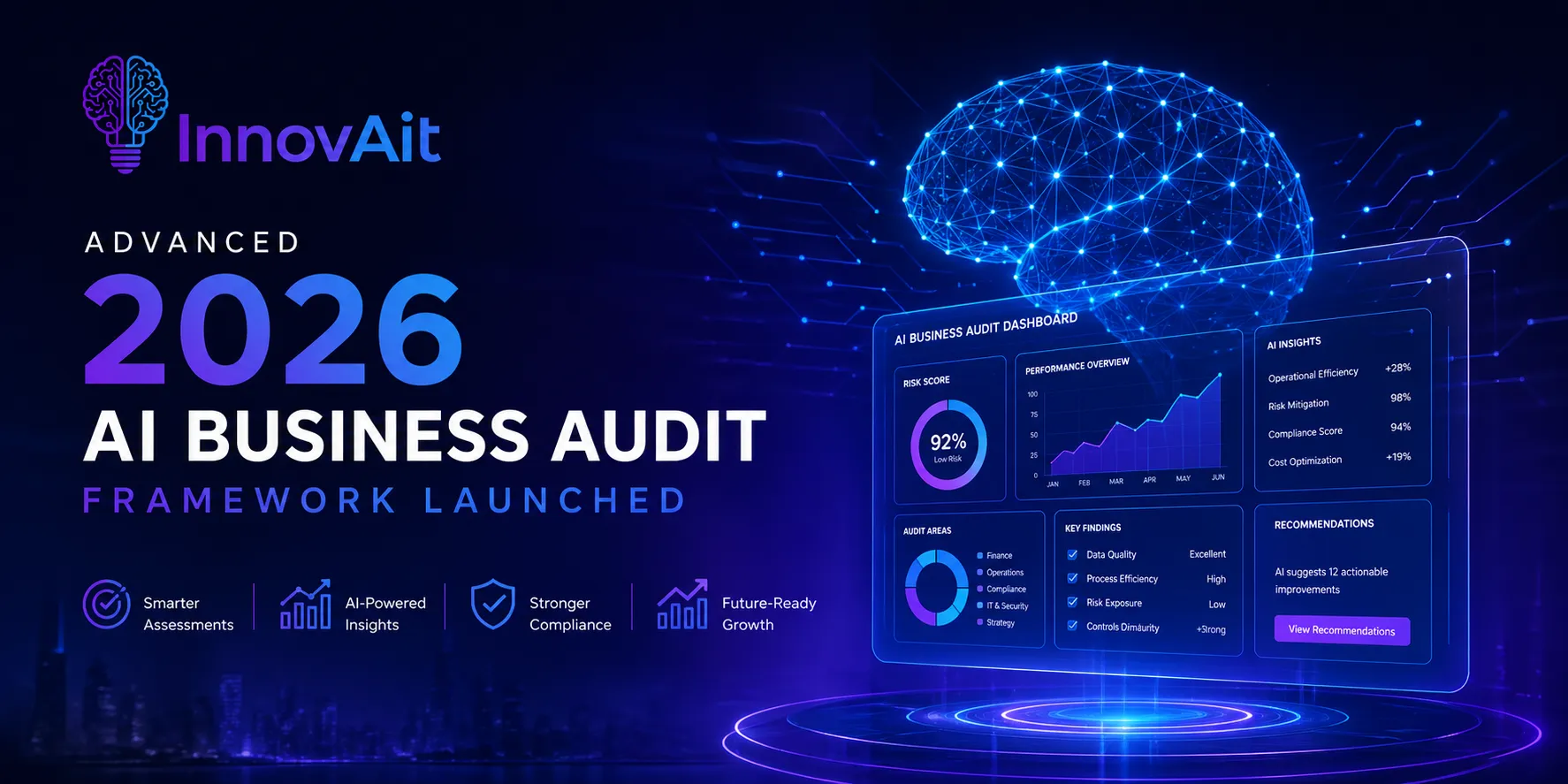
Automated financial forecasting is revolutionizing how enterprises approach planning and budgeting. By utilizing AI-driven tools, organizations can generate accurate financial forecasts with minimal manual intervention. This transformation leads to more agile and responsive business strategies.
This innovative approach not only streamlines operations but also offers tangible benefits, as demonstrated by leading enterprises.
Automated Revenue Forecasting with Machine Learning
Revenue forecasting is required by most enterprises for strategic business planning and for providing expected future results to investors. However, revenue forecasting processes in most companies are time-consuming and error-prone as they are performed manually by hundreds of financial analysts. In this paper, we present a novel machine learning based revenue forecasting solution that we developed to forecast 100% of Microsoft’s revenue (around $85 Billion in 2016), and is now deployed into production as an end-to-end automated and secure pipeline in Azure.
Secure and automated enterprise revenue forecasting, A Gajewar, 2018
Case Study: AI-Driven Financial Forecasting at a Global Retailer
A leading global retail company implemented AI valuation tools to automate their financial forecasting process. The result was a 30% reduction in forecasting errors and a 25% improvement in budgeting efficiency, enabling faster response to market fluctuations and improved inventory management.
Global Retailer Financial Forecasting Report, 2022
Case Study: AI Valuation Tools in Healthcare Financial Planning
A major healthcare provider adopted AI valuation tools to predict patient volume and associated revenue streams. This implementation led to more accurate financial planning and resource allocation, improving operational efficiency and patient care quality.
Healthcare Financial Planning with AI, 2023
Key Features of Automated Financial Forecasting Tools Enhancing Enterprise Planning
Automated financial forecasting tools come equipped with several key features that enhance their functionality:
- Scenario Analysis: Allows businesses to model different financial scenarios and assess their potential impact.
- Integration with Existing Systems: Seamlessly connects with other business systems to provide a holistic view of financial performance.
- User-Friendly Dashboards: Offers intuitive interfaces for data visualization and interpretation.
These features enable organizations to adapt quickly to changing market conditions and make informed financial decisions.
Benefits of Real-Time Financial Forecasting in Business Operations and Strategy
Real-time financial forecasting offers numerous advantages for business operations. By providing immediate insights into financial performance, organizations can:
- Enhance Decision-Making: Access to up-to-date financial data allows for timely and informed decisions.
- Increase Agility: Businesses can quickly adapt to market changes and emerging trends.
- Proactively Manage Risks: Real-time insights enable organizations to identify potential risks before they escalate.
These benefits underscore the importance of integrating automated financial forecasting into business operations.
Top Enterprise Data Visualization Tools for AI-Driven Business Intelligence Insights
Data visualization tools play a critical role in translating complex data into actionable insights. By presenting data visually, these tools help stakeholders understand trends and patterns that inform strategic decisions.
Types of Data Visualization Dashboards in Business Intelligence and Their Uses
There are several types of data visualization dashboards that organizations can utilize:
- Operational Dashboards: Provide real-time data on business operations and performance metrics.
- Analytical Dashboards: Focus on analyzing historical data to identify trends and patterns.
- Strategic Dashboards: Offer insights into long-term business goals and performance against key objectives.
Each type of dashboard serves a unique purpose, enabling businesses to tailor their data visualization strategies to specific needs.
Integrating AI-Driven Market Analysis into Visualization Platforms for Enhanced Insights
Integrating AI-driven market analysis into data visualization platforms enhances the value of the insights generated. By leveraging AI algorithms, businesses can:
- Identify Market Trends: AI can analyze vast datasets to uncover emerging trends that may impact business strategy.
- Enhance Predictive Capabilities: AI-driven insights can improve the accuracy of forecasts presented in visualization dashboards.
- Facilitate Data-Driven Decision-Making: Combining AI analysis with visualization tools empowers stakeholders to make informed decisions based on comprehensive data insights.
This integration represents a significant advancement in how businesses approach data analysis and visualization.
How Can Businesses Integrate AI Valuation Tools with Existing Systems? A Technical and Strategic Implementation Roadmap
Integrating AI valuation tools with existing business systems is essential for maximizing their effectiveness. This process involves several strategic considerations to ensure seamless adoption and long-term success.
Technical Integration Strategies for Seamless AI Adoption in Business Intelligence
To achieve successful integration, businesses should consider the following technical strategies: Harnessing the capabilities of advanced platforms such as AI valuation tools can simplify complex integration processes.
- API Utilization: Leveraging application programming interfaces (APIs) to connect AI tools with existing systems.
- Data Standardization: Ensuring that data formats are consistent across systems to facilitate smooth data transfer.
- Training and Support: Providing adequate training for staff to effectively use the new tools and systems.
Implementation Roadmap for AI Valuation Tools Integration
- Assessment and Planning: Evaluate current systems, identify integration points, and define objectives.
- Data Preparation: Cleanse and standardize data to ensure compatibility.
- System Integration: Develop and deploy APIs and connectors to link AI tools with existing platforms.
- Testing and Validation: Conduct thorough testing to ensure accuracy and performance.
- Training and Change Management: Educate users and manage organizational change to encourage adoption.
- Monitoring and Optimization: Continuously monitor system performance and optimize based on feedback and evolving needs.
Overcoming Common Challenges in AI and Business Intelligence System Integration
While integrating AI valuation tools can offer significant benefits, businesses may encounter challenges. Common obstacles include:
- Data Silos: Fragmented data across different systems can hinder effective analysis.
- Resistance to Change: Employees may be hesitant to adopt new technologies and processes.
- Technical Complexity: Integrating advanced AI tools can be technically challenging and resource-intensive.
Addressing these challenges requires a proactive approach, including stakeholder engagement and robust change management strategies.
Comparison of Top AI Valuation Tools: Features and Benefits
Latest Industry Trends and Real-World Case Studies in AI Valuation and Business Intelligence
Staying informed about the latest trends in AI valuation and business intelligence is crucial for organizations aiming to maintain a competitive edge. Emerging technologies and methodologies continue to shape the landscape.
Recent Case Studies Demonstrating AI Impact on Valuation Accuracy and Business Outcomes
Numerous case studies highlight the positive impact of AI on valuation accuracy. For instance, companies that have implemented AI-driven valuation tools report significant improvements in forecasting precision and decision-making speed. These case studies demonstrate how AI can transform traditional valuation methods, leading to more reliable outcomes.
Beyond Microsoft’s success, other notable examples include:
- Global Retailer: Achieved a 30% reduction in forecasting errors and improved budgeting efficiency by 25% through AI-driven financial forecasting.
- Healthcare Provider: Enhanced resource allocation and financial planning accuracy by integrating AI valuation tools to predict patient volume and revenue.
- Manufacturing Firm: Used AI valuation tools to optimize supply chain costs and forecast demand, resulting in a 20% increase in operational efficiency.
Emerging Trends: Explainable AI and Real-Time Analytics in 2024-2026
As AI technology evolves, trends such as explainable AI and real-time analytics are gaining traction. Explainable AI focuses on making AI decision-making processes transparent, allowing stakeholders to understand how conclusions are reached. Real-time analytics, on the other hand, enables businesses to respond swiftly to changing market conditions, enhancing their agility and competitiveness.
Frequently Asked Questions (FAQ) About AI Valuation Tools and Business Intelligence
Key Takeaways: Maximizing Business Intelligence with AI Valuation Tools and Predictive Analytics
- AI valuation tools automate and enhance financial data analysis, improving accuracy and decision-making speed.
- Predictive analytics powered by AI enables businesses to anticipate market trends and customer behaviors effectively.
- Automated financial forecasting transforms enterprise planning by providing real-time, scenario-based insights.
- Integration strategies such as API utilization and data standardization are critical for successful AI tool adoption.
- Real-world case studies demonstrate significant improvements in forecasting accuracy and operational efficiency across industries.
- Emerging trends like explainable AI and real-time analytics will further advance business intelligence capabilities.
- Choosing the right AI valuation tool involves evaluating features, pricing models, and industry fit to align with organizational goals.
In conclusion, AI valuation tools and business intelligence are reshaping how organizations approach data analysis and decision-making. By leveraging predictive analytics and automated financial forecasting, businesses can enhance their operational efficiency and strategic planning. As the landscape continues to evolve, staying informed about emerging trends and technologies will be essential for maintaining a competitive edge. Understanding how to best utilize AI valuation tools is key to this evolution.