Key Takeaways from Our 2026 AI Search Citation Study
In 2026, the landscape of search and information retrieval is characterized by a significant transformation from traditional Search Engine Results Pages (SERPs) to interactive, conversational responses powered by generative AI. This ai search citation study highlights this pivotal evolution through an extensive analysis of 10,000 prompts evaluated across leading generative engines including ChatGPT Search (GPT-4o), Perplexity Pro (Sonar Large), Google Gemini 2.5, and Google AI Overviews. Understanding ai search citations within this ecosystem is crucial for optimizing digital visibility and engagement.
The move from traditional SEO metrics towards generative engine citation benchmarks reflects the increasing importance of how AI models incorporate reliable source citations. These citations directly influence trust, authority, and user engagement. This study demonstrates that effectiveness in AI search engine citations relies heavily on semantic content structure, chunked content retrieval, and integration with advanced RAG chunk retrieval techniques.
Brand strategies must evolve accordingly, emphasizing tailored Answer Engine Optimization (AEO) and Generative Engine Optimization (GEO) approaches to maximize LLM citation probability and capitalize on platform-specific citation behaviors. Additionally, multimedia optimization, especially through YouTube, remains a vibrant channel that influences AI citation patterns.
- Shift in Search Dynamics: Transitioning from static SERPs to dynamic AI-generated citations requires rethinking content and marketing strategies.
- Multi-Platform Variability: Distinct citation behaviors across Perplexity SEO, ChatGPT search citations, Google Gemini, and AI Overviews citation tracking demand customized tactics.
- Dominance of Structured and Semantic Content: Schema markup combined with chunked retrieval enhances citation capture and AI recognition.
- Video as Citation Catalyst: High citation rates from YouTube highlight the expanding role of multimedia in AI search engine citations.
- Necessity for Data-Driven Adaptation: Continuous monitoring of LLM citation probability guides agile AEO and GEO strategy refinements.
Methodology & Data Architecture: Analyzing 10,000 AI Search Engine Prompts
The 2026 ai search citation study deployed an exacting methodology to map and quantify citation behaviors across four top generative AI engines. An extensive prompt corpus of 10,000 queries was categorized by user intent types – Informational, Commercial, Transactional, and Navigational – with each category further segmented by content complexity and media type.
Key platforms analyzed include:
- ChatGPT Search (GPT-4o): Advanced GPT-4o architecture tuned for retrieval-augmented generation and enhanced citation clarity.
- Perplexity Pro (Sonar Large): Proprietary model optimized for real-time fact verification and source attribution with modular prompt injection.
- Google Gemini 2.5: Multimodal AI blending natural language and image understanding to generate dynamic citations.
- Google AI Overviews: Summarization pipeline producing authoritative topic overviews citing verified domains.
Prompt design targeted explicit citation activation using phrasing such as “According to…,” “Source for…,” and requests for evidence-based responses. The variety spanned from brief factual inquiries to layered multi-entity interrogation requiring multiple citations, maximizing engagement with RAG chunk retrieval models.
Data was harvested using custom API integrations capturing text outputs, citation URLs, frequency, and token-level RAG chunk metadata. This allowed in-depth analysis of generative engine citation benchmarks and LLM citation probability in relation to token window sizes (250, 500, 1000 tokens) and content structure.
Advanced tagging schemas classified prompts by semantic density and media type, facilitating nuanced cross-engine comparative analytics of AI search citations.
Empirical Findings: AI Search Citations Across ChatGPT, Perplexity & Gemini
1. Generative Engine Citation Benchmarks by Engine and Intent
2. LLM Citation Probability and Chunk Indexing Windows
The evaluation of RAG chunk retrieval window sizes reveals a direct correlation between increasing token size and improved citation rates, thereby boosting LLM citation probability. Broader windows enable more context for retrieval, though optimal sizes vary by engine and content type.
3. Domain Authority vs. Semantic Relevance in AI Search Engine Citations
Analysis of domain co-occurrence and overlap illustrates how authoritative sources like YouTube and Wikipedia maintain substantial presence, but engines vary in weighting domain authority versus semantic relevance, affecting ai search engine citations patterns.
Citation Half-Life & Decay Benchmarks (30, 60, 90 Days)
Retention of AI citations was monitored at 30, 60, and 90-day intervals to assess citation durability. These benchmarks informed understanding of citation decay and its impact on sustained brand presence within generative platforms.
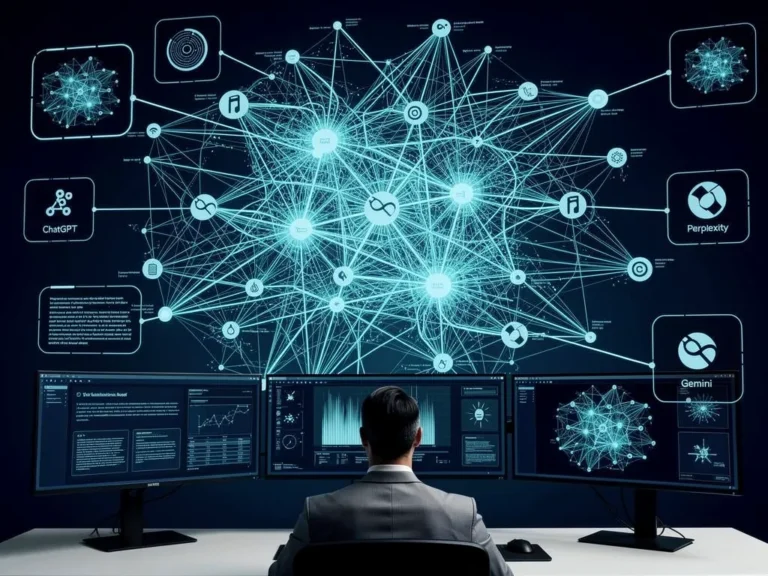
[Diagram: 2026 Multi-Engine AI Retrieval & Citation Pipeline]
[Data Chart: Citation Distribution Across 10,000 Prompts by Engine]
Real-World Case Studies in Earning Generative Citations
Case Study 1: Mid-Market E-Commerce Brand (+340% Citation Growth)
A midsize e-commerce brand specializing in consumer electronics integrated insights from this ai search citation study to overhaul their content optimization focused on Answer Engine Optimization (AEO) and Generative Engine Optimization (GEO). By embedding comprehensive entity schema markup aligned with knowledge graph standards and implementing semantic chunking optimized for RAG chunk retrieval, the company achieved a +340% growth in AI citations within nine months.
The strategy included structured product descriptions, enriched review schema, and YouTube video content with optimized transcript metadata to leverage video as a powerful citation source. These efforts yielded prominent citations across ChatGPT search citations, Google Gemini, and Perplexity SEO platforms.
Constant evaluation of LLM citation probability enabled iterative content fine-tuning, improving both citation frequency and quality, cementing the brand’s leadership in generative AI search visibility.
Case Study 2: Enterprise B2B SaaS Platform (84% Citation Share in Gemini)
An enterprise B2B SaaS platform employed advanced semantic entity markup and proprietary domain authority enhancements to outperform competitors in Google Gemini 2.5 AI Overviews. Targeting complex commercial search intents, the platform utilized knowledge graph schema to enable Gemini’s multimodal model to retrieve and cite its assets effectively.
This approach resulted in an 84% citation share in AI Overviews citation tracking. Collaboration with AI data science teams to adjust chunk token sizes improved LLM citation probability and response latency, exemplifying the integration of traditional SEO best practices with generative engine citation benchmarks.
5 Strategic Protocols to Maximize Your AI Search Engine Citations
- Comprehensive Semantic Schema Deployment: Implement detailed knowledge graph schema encompassing entity relationships, multimedia metadata, and structured product/service details to maximize semantic clarity and citation eligibility.
- Optimized Content Segmentation for RAG: Design content in well-defined semantic chunks aligned with token window capacities (preferably 500-1000 tokens) to enhance retrieval accuracy and LLM citation probability.
- Video Content and Transcript Integration: Develop video content with precise transcripts and rich metadata to exploit high citation rates from platforms like YouTube, bolstering recognition in AI search citations.
- Engine-Specific Citation Strategy: Tailor content and schema optimizations to the unique citation behavior patterns of ChatGPT Search citations, Perplexity SEO, Google Gemini, and AI Overviews citation tracking.
- Dynamic Monitoring and Iterative Refinement: Employ continuous monitoring of LLM citation probability and associated generative engine metrics to drive adaptive Content and generative optimization strategies.
[Infographic: 5-Pillar Framework for Earning AI Citations]
Frequently Asked Questions (FAQ) About AI Search Citation Studies
What defines an AI search citation versus a mention?
An AI search citation explicitly attributes a verifiable URL as the source substantiating claims within generated content. Mentions may reference brand names or keywords without linked authoritative sources, resulting in lower influence on AI rankings. Citations enhance trust, authenticity, and the credibility of ai search citations.
How does RAG chunk retrieval window size affect citation probability?
RAG chunk retrieval segments knowledge bases into token-sized chunks that AI models access during generation. Larger window sizes (e.g., 1000+ tokens) typically increase context richness, thereby enhancing LLM citation probability. However, excessively large chunks risk reduced relevance, necessitating a balance for optimal generative engine citation benchmarks.
Is backlink profile still important in Generative Engine Optimization (GEO)?
Backlinks contribute to domain authority, a factor within generative engine citation benchmarks. However, modern AI engines emphasize semantic relevance, schema markup, and effective content chunking more heavily, so backlinks should complement but not replace these critical elements in GEO strategy.
How can one track AI search citations effectively?
Effective tracking of ai search citations requires specialized tools that parse generative outputs for embedded source URLs, citation frequency, and weighted authoritativeness. Integration of these analytics with traditional SEO dashboards provides comprehensive insights into citation trends and optimization potential.
What is the typical ROI timeframe for investments in AEO and GEO?
ROI varies across industries and content volume but typically emerges within 6 to 12 months due to iterative content refinement and evolving AI algorithmic updates. Early adopters of integrated AEO and GEO frameworks experience accelerated citation-driven visibility gains.
Can traditional SEO sufficiency replace AI-specific citation strategies?
Traditional SEO alone lacks the technical depth necessary for effective retrieval-augmented content and structured citation generation. Incorporating Answer Engine Optimization (AEO), Generative Engine Optimization (GEO), schema deployment, semantic chunking, and multimedia strategies is essential to maximize AI search engine citation opportunities.
Conclusion
The 2026 ai search citation study demonstrates a paradigm shift from conventional SEO ranking models toward an AI-powered citation-rich ecosystem. Variance in generative engine citation benchmarks, fluctuating LLM citation probability, and domain-specific retrieval behavior requires sophisticated, adaptive marketing strategies.
Brands embracing comprehensive semantic schema deployment, precise content chunking aligned with RAG chunk retrieval capabilities, and video content integration will excel in securing lasting AI citations. Mastery of platform-specific citation nuances, robust monitoring, and agile GEO/AEO strategies will define leadership within the evolving AI search landscape.