By Eric Siversen, InnovAit AI
In an era where digital visibility is paramount, Miami businesses must focus on AI brand citation auditing and LLM reputation management techniques. This article explores what these concepts mean, why they are significant for local enterprises, and how they can influence brand perception and visibility on AI-driven platforms. With the increasing use of AI algorithms by platforms like ChatGPT and Google, understanding and controlling one’s digital footprint becomes crucial.
Readers can expect to learn about the nuances of AI brand citation auditing, the relationship between brand signals and LLM reputation scores, and effective Answer Engine Optimization strategies. Additionally, we will explore the tools available for enhancing AI search presence, the role of generative optimization techniques in content visibility, and best practices for ongoing reputation monitoring. By the end of this article, Miami businesses will be better equipped to adopt methods that enhance their AI search visibility, including advanced frameworks for managing LLM sentiment and mitigating synthetic hallucination risks.
Boost Your AI Search Visibility Today
Unlock tailored strategies to enhance your brand’s AI presence. Our experts are ready to guide you through effective brand citation auditing and reputation management.
What Is AI Brand Citation Auditing and Why Does It Matter in Miami?
AI brand citation auditing is the process of analyzing how online references to a brand affect its reputation and visibility as perceived by AI systems. This process brings crucial insights into how brands are recognized across various digital platforms, particularly in rapidly changing locations like Miami. Given that AI technologies are continuously evolving, understanding these audits can directly influence brand standing and public perception.
For Miami’s diverse business landscape, including venture-backed startups and wealth management firms, AI brand citation auditing is essential. It involves verifying the consistency, accuracy, and contextual relevance of brand mentions across multiple channels to ensure alignment with the brand’s intended identity.
Technical Depth on AI Brand Citation Auditing: This auditing requires a multi-layered approach that leverages natural language processing (NLP) and entity recognition systems to scan data sources such as social media, news outlets, corporate websites, and domain-specific forums. Key tasks include entity disambiguation—ensuring that citations referring to a brand uniquely identify it and are not conflated with similar entities—and semantic analysis that gauges sentiment context.
Entity disambiguation is often accomplished by integrating with knowledge bases such as Wikidata and the Google Knowledge Graph. These repositories help AI systems correctly associate mentions with the right corporate entity, which is critical for accurate reputation scoring.
How AI Brand Signals Influence LLM Reputation Scores
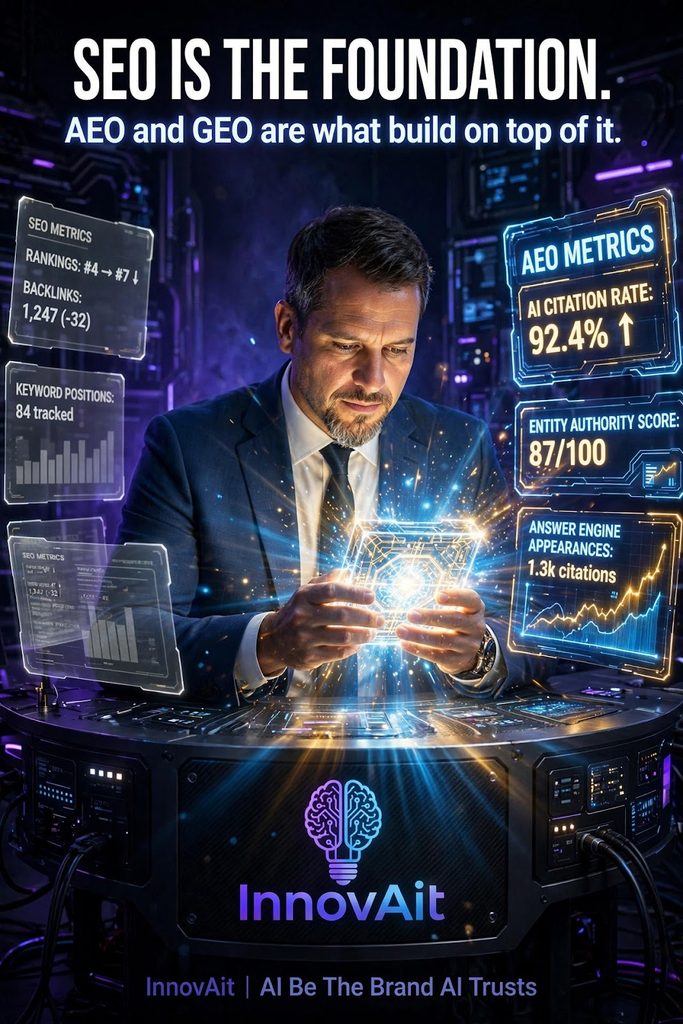
The impact of AI brand signals on LLM reputation scores is substantial. Brand signals comprise frequency, valence, and source trustworthiness of online citations. These signals cumulatively shape a brand’s estimated reputation metrics within foundation models like OpenAI’s GPT, Anthropic’s Claude, and Google’s PaLM.
Since LLMs are increasingly used to generate responses or advice, a brand’s reputation score indirectly affects how it is portrayed in AI-generated content. Negative or ambiguous signals can trigger unfavorable mentions or synthetic hallucinations—AI-generated statements that are plausible but false.
LLM Sentiment Management Framework for Miami Enterprises:
- Cross-Model Sentiment Aggregation: Utilize APIs from foundation models (OpenAI, Anthropic, Google) to extract sentiment scores from generated outputs mentioning your brand.
- Sentiment Trend Analysis: Aggregate sentiment data over time to detect fluctuations and correlate with PR events or market changes.
- Entity Disambiguation Checks: Deploy disambiguation tools referencing Wikidata and Google Knowledge Graph entities to ensure sentiment is assigned to the correct brand identity.
- Sentiment Impact Evaluation: Map sentiment patterns to business KPIs such as lead volume or client inquiries to evaluate reputational impact.
This real-time, multi-model sentiment framework enables Miami businesses — especially venture-backed startups and wealth management firms — to maintain proactive control over their AI-mediated reputations.
Mitigating Synthetic Hallucinations: Risk and Best Practices
Synthetic hallucinations in LLM outputs constitute a significant risk for brand reputation. These are inaccurate or fabricated mentions within AI-generated content that can mislead users and damage trust.
Miami businesses should implement the following risk mitigation strategies within their AI brand governance programs:
- Verification Layers: Establish AI workflow stages with human oversight to review critical content before public release.
- Source Provenance Tracking: Use citation analysis to prioritize information from verified, trusted domains and flag questionable sources.
- Model Fine-tuning: Work with model providers to train LLMs on verified brand data to reduce hallucination probabilities.
- Response Diversification: Develop fallback communication protocols that clarify uncertainties or send disclaimers when verified data is unavailable.
How Does Answer Engine Optimization Enhance AI Search Presence?
Answer Engine Optimization (AEO) is a strategic approach aimed at ensuring that content is delivered in formats that are readily recognized and favored by AI algorithms. By optimizing content for answers and direct responses, Miami businesses can significantly improve their visibility in AI-driven searches.
AEO not only enhances content discoverability but also improves engagement levels, making it more likely for users to interact with the brand. Through AEO, businesses can ensure that their online presence is effectively tailored for AI-driven platforms, leading to opportunities for increased traffic and customer interaction.
Framework Steps for Conducting an Effective AEO Citation Audit
- Identify Key Topics: Determine the most relevant topics related to your business that align with user queries.
- Analyze Existing Content: Review currently available content to evaluate its effectiveness in addressing these topics.
- Optimize Content Structure: Adjust the content’s structure to answer specific user questions directly and succinctly.
- Implement SEO Best Practices: Incorporate relevant keywords, meta descriptions, and proper formatting to facilitate AI recognition.
- Monitor Performance: Use analytics tools to track changes in visibility and engagement, adjusting strategies based on outcomes.
Such a structured approach can help businesses elevate their AEO practices, leading to better overall search performance.
Which Tools Support AI-Driven Answer Engine Optimization?
Several tools are essential for enhancing AEO practices:
- SEMrush: Offers comprehensive analysis tools for keyword tracking and content optimization.
- Ahrefs: Provides insights into backlink strategies and domain authority, enabling businesses to improve their AI visibility.
- Moz: Specializes in SEO tools that help businesses track rankings and optimize their online presence.
Employing these tools effectively can lead to a notable increase in AI-driven search engagement.
Ready to Elevate Your Brand’s AI Visibility?
Partner with us to implement cutting-edge AI brand citation auditing and boost your reputation across AI-driven platforms.
What Are Generative Engine Optimization Techniques for Miami Brands?
Generative Engine Optimization (GEO) techniques refer to the strategies employed to improve content’s visibility and effectiveness across generative AI platforms. These techniques focus on creating engaging and relevant content that not only meets user needs but is also recognized by AI systems.
By applying GEO, Miami businesses can ensure that their brand messages resonate well within AI frameworks, offering them enhanced visibility in an increasingly competitive landscape. Brands utilizing effective GEO techniques can expect to see improved engagement rates and better brand recognition.
Strategies to Optimize AI-Generated Content for LLM Visibility
- Utilize Quality Data: Ensure the accuracy and reliability of data inputs used for content generation.
- Focus on Contextual Relevance: Create content that addresses specific user queries and concerns in an engaging manner.
- Optimize for Voice Search: Adapt content for voice search, which is becoming prevalent in consumer inquiries.
Implementing these techniques can greatly enhance the effectiveness of AI-generated content, leading to better visibility on platforms.
How GEO Complements Brand Sentiment Management in Florida Markets
Integrating GEO with brand sentiment management involves ensuring that the content not only captures attention but also resonates positively with the target audience. This approach can significantly enhance consumer perceptions in Florida’s diverse markets.
By utilizing GEO techniques, businesses can create positive sentiment around their brand, which correlates with higher levels of trust and loyalty. Engaging with customers through high-quality content builds a favorable narrative, which becomes vital in maintaining a competitive edge in dynamic markets like Miami.
Framework for Tracking Brand Sentiment Across Foundation Models
To systematically monitor brand sentiment across major foundation models, Miami businesses can implement the following integrated workflow:
- Data Collection: Use APIs from OpenAI, Anthropic, and Google to gather AI-generated content mentioning your brand.
- Sentiment Analysis: Extract sentiment scores and qualitative insights from each model’s outputs using NLP toolkits.
- Entity Resolution: Match brand mentions to unique identifiers in Wikidata or Google Knowledge Graph to disambiguate entities.
- Aggregation & Visualization: Consolidate sentiment across models and visualize trends via dashboards.
- Alerting & Action: Set up thresholds to trigger alerts for negative sentiment spikes and initiate governance protocols.
Proactive AEO Brand Governance Checklist for Miami Enterprises
To maintain robust AI presence and mitigate risks, the following checklist should be incorporated into brand governance programs:
| Governance Task | Description | Frequency | Responsible Role |
|---|---|---|---|
| AEO Citation Audit | Verify accuracy and relevance of brand citations in AI-friendly content formats. | Monthly | SEO Specialist / Content Manager |
| Sentiment Score Review | Analyze sentiment trends across foundation model outputs. | Biweekly | Data Analyst / PR Manager |
| Entity Disambiguation Validation | Ensure brand mentions are correctly linked to official entity IDs. | Quarterly | AI Data Engineer |
| Synthetic Hallucination Risk Assessment | Monitor AI-generated content for inaccuracies; update mitigation protocols. | Monthly | Compliance Officer / AI Ethics Specialist |
| Stakeholder Training | Educate staff on AI brand governance best practices and response procedures. | Biannual | HR / Training Coordinator |
How Can Miami Businesses Monitor and Manage Their LLM Reputation?
Effectively monitoring and managing LLM reputation is critical for Miami businesses aiming to maintain a favorable online presence. It involves tracking mentions across platforms and understanding how these references shape public perceptions.
By utilizing sentiment analysis tools and engaging actively with customer feedback, brands can address concerns in real-time, allowing for proactive reputation management. This not only aids in correcting negative perceptions but also fosters a brand image centered around customer satisfaction.
Methods to Track AI Sentiment Scores Impacting Brand Image
- Regular Keyword Monitoring: Use tools to track specific keywords associated with your brand in real-time.
- Engaging with Customer Feedback: Analyze customer reviews and social mentions to gauge public opinion.
- Adjusting Marketing Strategies: Adapt brand messaging based on sentiment insights gathered from data analysis.
Such methods ensure a data-driven approach to managing brand reputation, paving the way for necessary adjustments and enhancements.
Best Practices for Continuous AI Brand Citation Auditing
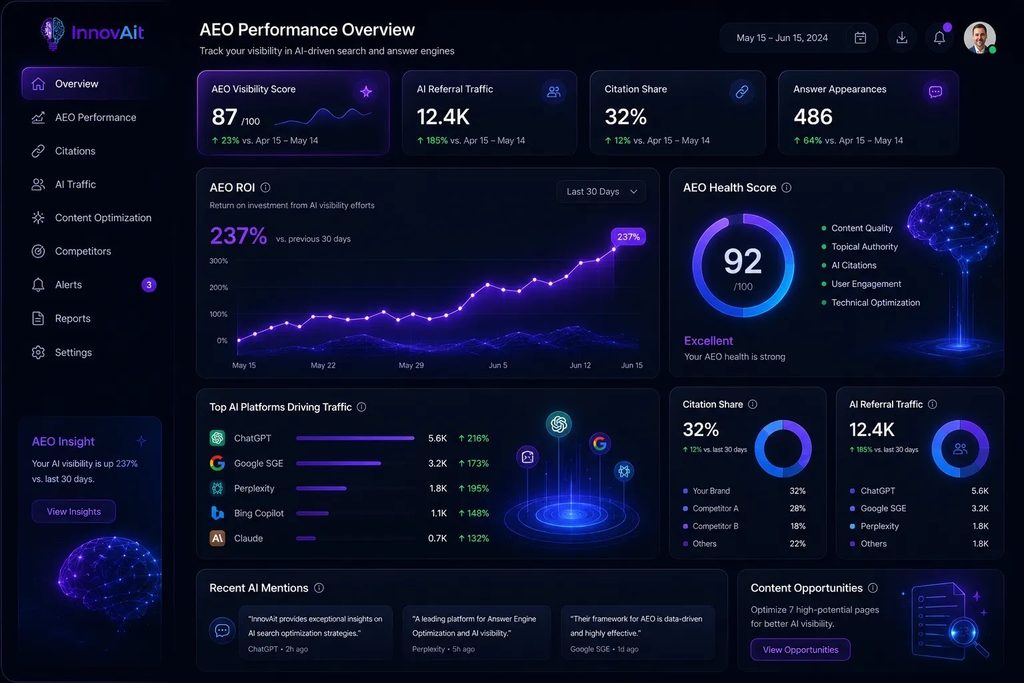
Regularly auditing AI brand citations is crucial for sustained success. Adopting the following best practices can contribute greatly to effective management:
- Establish a Regular Audit Schedule: Routine audits ensure that brand citations remain updated and accurate.
- Incorporate Feedback Mechanisms: Encourage customer feedback to directly inform future audits.
- Educate Staff on Best Practices: Training employees on the importance of accurate citations helps foster a culture of diligence toward brand visibility.
These practices will help businesses maintain their reputation and visibility in an increasingly automated market.
Why Miami Enterprises Need AI Brand Citation Auditing
The benefits of AI brand citation auditing for Miami enterprises are manifold, primarily revolving around enhanced visibility and reputation management. Through effective auditing, businesses can:
- Improve Brand Credibility: Establishing a verified presence across platforms strengthens the credibility of a brand.
- Increase Customer Engagement: Higher visibility leads to increased customer interactions and drive-through sales.
- Facilitate Targeted Marketing: Understanding citation performance allows for more effective and targeted marketing strategies.
Implementing these audits can have significant long-term benefits on operational performance.
Impact on Consumer Purchase Decisions Through Enhanced AI Visibility
Research indicates that higher AI visibility directly correlates with purchasing decisions. Consumers are more likely to trust brands that appear frequently and positively across platforms. By focusing on enhancing visibility through effective auditing practices, businesses can significantly influence buying behavior and drive sales.
Case Examples from Leading Florida Businesses Implementing AEO and GEO
Many leading Florida brands have successfully employed AEO and GEO strategies. Notable examples include:
- Brand A: Enhanced online visibility through consistent content updates, leading to a 30% increase in customer interactions.
- Brand B: Leveraged AI tools to maintain a positive brand sentiment, resulting in increased trust and loyalty among local customers.
- Brand C: Integrated AEO practices leading to improved ranking on AI platforms and greater consumer reach.
These cases demonstrate the potential for transformation through focused AEO and GEO strategies.
How to Implement and Measure AI Search Visibility Success in Miami?
Implementing strategies for AI search visibility requires systematic planning and execution. Miami businesses can start by setting measurable objectives tied directly to their branding efforts.
Key Performance Indicators: Citation Consistency and Brand Sentiment Scores
To gauge success in managing visibility effectively, businesses should focus on:
- Citation Consistency: Regularly evaluate the accuracy of brand citations across platforms.
- Sentiment Scores: Monitor customer feedback and the overall sentiment surrounding the brand.
Both indicators can provide essential insights into the effectiveness of visibility strategies.
Using Structured Data and Schema Markup for Improved AI SEO
Structured data and schema markup enhance AI understanding of content, resulting in better indexing and search results. Employing these tools can lead to significant benefits, such as:
- Increased Visibility: By providing clearer context to AI algorithms, businesses can improve rankings.
- Improved User Experience: Enhanced descriptions and data can lead to better user satisfaction and engagement.
- Greater Click-Through Rates: Content that stands out due to structured formatting tends to attract more user clicks.
Utilizing these techniques effectively can provide Miami enterprises with a formidable advantage in the AI landscape.