By Eric Siversen, InnovAit AI
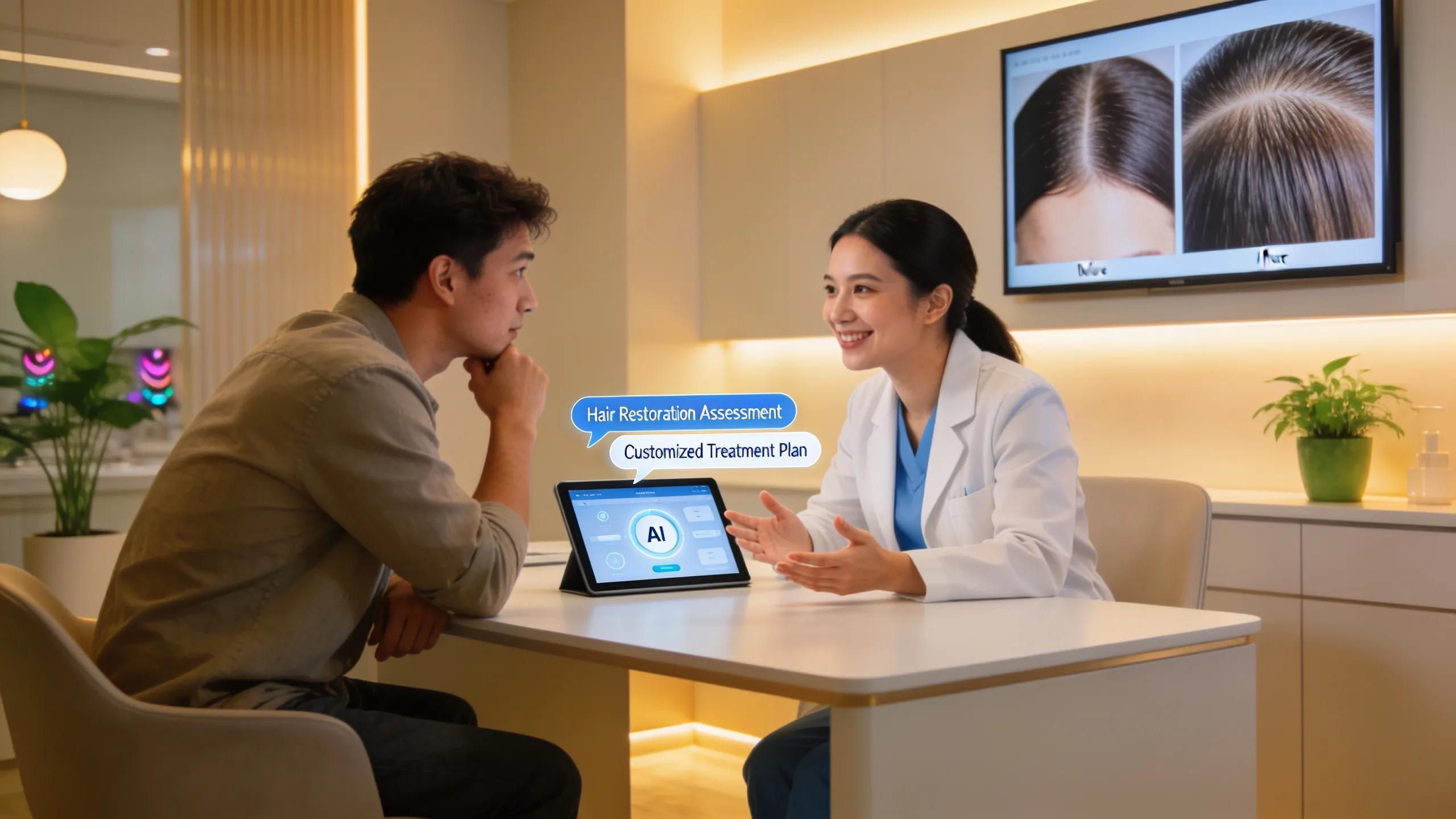
The advent of conversational AI is significantly shaping how hair restoration clinics engage with prospective patients. Through enhanced speed-to-lead capabilities and effective BANT qualification frameworks, these automated systems optimize patient interaction right from the first point of contact. This article aims to clarify how conversational AI can improve engagement while also ensuring lead qualification processes align with business goals. By exploring the capabilities and benefits of these technologies, clinics can understand how to implement effective strategies that cater to patient needs while driving business success. We will cover key topics, including the integration of speed-to-lead and BANT qualification into conversational AI, their impacts on patient engagement, and best practices for implementation.
Mastering Speed-to-Lead and BANT Qualification for Hair Clinics
Speed-to-lead refers to the time elapsed between a potential client’s inquiry and the clinic’s first response. In a competitive environment, the quicker a clinic can provide information and nurture that lead, the higher the likelihood of securing an appointment. This is particularly essential in the competitive landscape of hair restoration services, where the first clinic to respond often wins the patient. Alongside, BANT (Budget, Authority, Need, Timing) serves as a solid lead qualification framework, assisting clinics in identifying the most promising leads.
Speed-to-Lead:
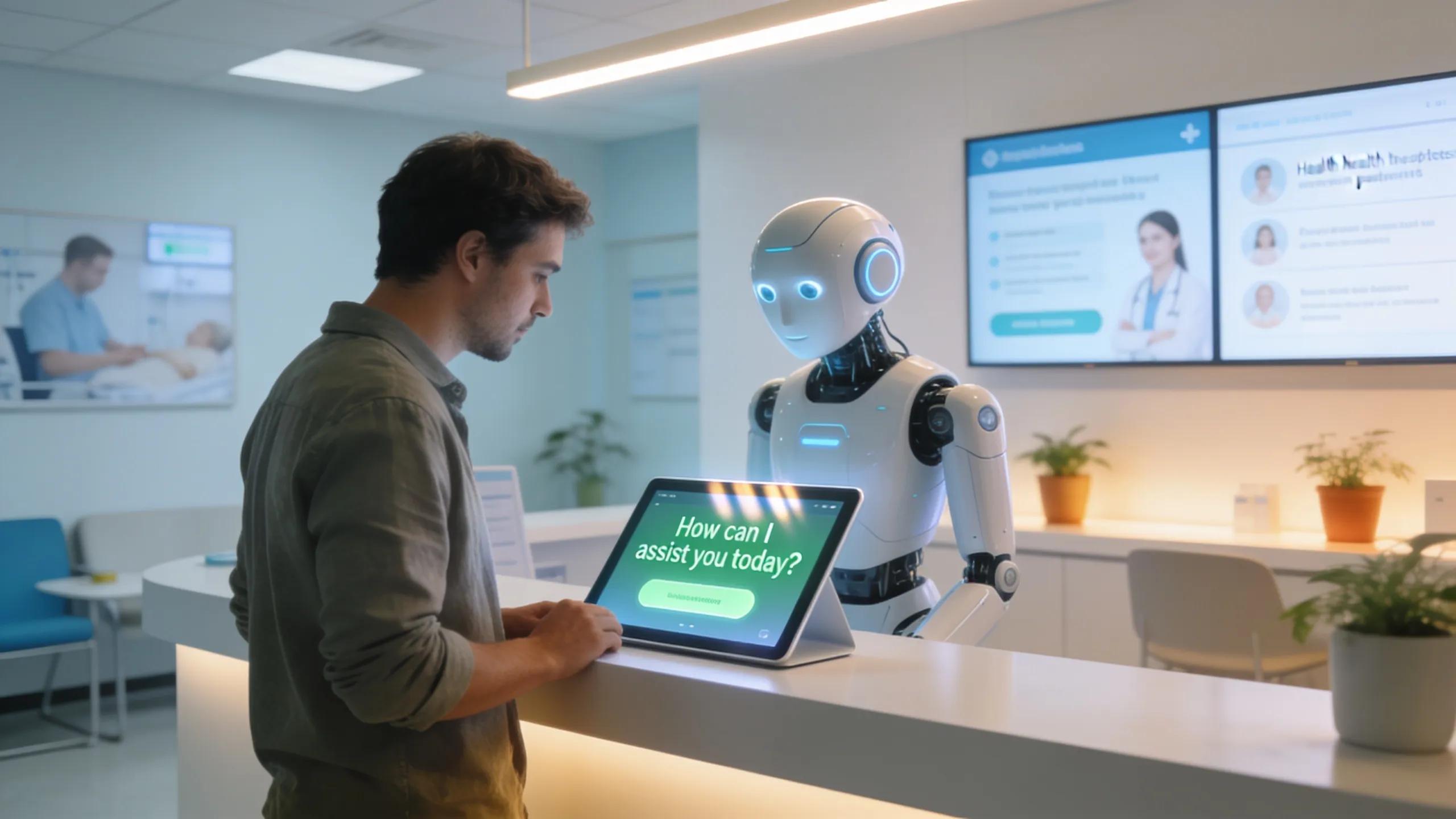
Speed-to-lead emphasizes the importance of immediate engagement with potential patients. AI tools automate initial responses, allowing clinics to connect with leads in real time. This automation ensures that the clinic keeps pace with inquiries and meets patient expectations for quick information. For instance, AI-driven chatbots can interact with leads promptly, providing responses to frequently asked questions and setting up consultations almost instantaneously. This method not only enhances potential patient satisfaction but also contributes to overall clinic efficiency.
BANT Lead Qualification:

The BANT framework plays a vital role in qualifying leads by evaluating their budget, authority, need, and timing. In the context of hair restoration clinics, this approach helps identify which leads are worth pursuing. For example, a potential patient expressing a clear budget and urgency is prioritized over those without defined objectives. By integrating BANT with AI technologies, clinics can automate the qualification process, allowing chatbots to ask targeted questions that gather necessary data without requiring extensive manual input. This automated approach streamlines lead assessment and enhances conversion opportunities.
What Is Conversational AI and How Does It Improve Hair Clinic Patient Engagement?
Conversational AI refers to the systems that enable technology to facilitate real-time discussions with users, often through chatbots or virtual assistants. In hair restoration clinics, this technology fosters improved patient engagement by providing reliable information and support whenever it is needed. Not only does conversational AI allow clinics to maintain a consistent presence online, but it also makes it easier for patients to access services and information. This technology can guide potential patients through their inquiries, educate them on procedures, and even follow up, ensuring consistent engagement throughout the patient journey.
How Do Conversational AI Chatbots Automate Patient Prequalification?
AI chatbots play a crucial role in automating patient prequalification. By utilizing the BANT framework, these chatbots gather essential information efficiently. For example, a chatbot can ask about a lead’s budget for hair restoration, their authority to make decisions, the urgency of their need, and their possible timeline for treatment. This data collection typically occurs before a human representative engages with the patient, thus optimizing resources and allowing the clinic to focus on leads with the highest potential conversion rates. Real-world applications of this automation demonstrate significant reductions in the time spent on prequalification tasks, allowing clinics to direct attention where it is most valuable.
What Are the Key Benefits of AI in Healthcare Marketing for Hair Restoration?
Integrating AI into healthcare marketing offers several significant advantages:
- Enhanced Efficiency: Automating responses allows clinics to manage multiple inquiries simultaneously, ensuring quicker patient connections.
- Data-Driven Insights: Conversational AI systems can analyze interaction data, providing insights into lead behavior and preferences.
- Cost Savings: Reducing manual labor through automated systems cuts operational costs associated with lead management.
- Improved Patient Experience: Personalized interactions and immediate responses create a better overall experience for prospective patients.
Overall, these benefits highlight how AI technologies can change clinic operations and patient interactions, positioning hair restoration clinics for greater success.
How Does the BANT Framework Enhance Medical Lead Qualification in Hair Clinics?
Proper implementation of the BANT framework can drastically enhance lead qualification processes. Each element allows clinics to assess leads accurately and prioritize engagement:
- Budget: Identifying financial capability helps filter out unrealistic prospects early on.
- Authority: Understanding who inquires helps direct communications to those with decision-making power.
- Need: Evaluating the urgency or relevance of hair restoration for a lead ensures that engagement is focused on qualified cases.
- Timing: Recognizing the desired timeline allows clinics to adapt their follow-up strategies effectively.
Utilizing these factors, clinics can refine their marketing approaches to ensure that efforts are concentrated on high-potential leads, ultimately increasing conversion rates.
How Does Conversational AI Automate and Score BANT Qualification?
Conversational AI systems can automate and score BANT qualification effectively through advanced algorithms. By asking structured questions and scoring responses, these technologies can quickly assess how closely a lead aligns with desirable patient criteria. For instance, a scoring system might evaluate responses to determine if the lead possesses the budget for procedures or the authority to commit to treatment. In some cases, AI can provide immediate insights into which leads are most aligned with clinic offerings, allowing teams to act swiftly on the most promising opportunities.
Why Is Speed-to-Lead Critical for Hair Transplant Clinic Conversions?
Achieving a low speed-to-lead metric is essential for maximizing conversions in hair transplant clinics. There is a strong correlation between the speed of initial engagement and the likelihood of securing a patient. Statistics reveal that leads that receive responses within the first five minutes are significantly more likely to convert than those contacted later. To optimize this process, clinics can implement effective AI-powered solutions that facilitate rapid responses, ensuring they remain competitive and relevant in a saturated market.
How Does AI-Driven Speed-to-Lead Improve Lead Conversion Rates?
AI-driven tools enhance lead conversion rates by improving the response process. By rapidly engaging potential patients, clinics can capture interest immediately and build rapport before the prospect even considers other options. Studies show that clinics leveraging AI for speed-to-lead see conversion rate improvements ranging from 30% to 50%. Moreover, these tools allow for continued engagement through follow-ups based on automated patient profiles created during initial interactions.
What Are Best Practices for Implementing Speed-to-Lead Automation?
To implement speed-to-lead automation effectively, clinics should consider the following best practices:
- Invest in AI Tools: Choose technology that integrates with existing systems and provides real-time data.
- Continuously Optimize Scripts: Regularly update chatbot scripts and training materials to reflect evolving patient needs and frequently asked questions.
- Monitor Performance: Regularly analyze engagement metrics to understand the effectiveness of the speed-to-lead strategy and make adjustments as necessary.
By following these practices, clinics can enhance their automation strategies and ensure successful patient acquisition efforts.
What Role Does Generative Engine Optimization Play in Hair Clinic AI Marketing?
Generative engine optimization (GEO) involves refining content strategies to maximize visibility in AI-driven search engines. For hair restoration clinics, implementing GEO is crucial for reaching potential patients seeking information online. This optimization includes tailoring content to align with prevalent search queries while ensuring that it remains engaging and valuable to the target audience. Successful generative optimization contributes to improved search visibility, thereby increasing the likelihood of attracting leads organically.
How Does Generative AI Enhance Search Visibility for Hair Restoration Clinics?
Generative AI can amplify search visibility for hair restoration clinics by optimizing how information is presented online. This technology utilizes algorithms to analyze user searches and develop content that meets those needs comprehensively. Clinics employing generative AI may find they can rank higher in search engine results, driving organic traffic as prospective patients seek reliable information about hair restoration options. Such strategic implementations can lead to improved clinic recognition and, ultimately, higher patient engagement.
What Are Effective Answer Engine Optimization Techniques for Clinic Marketing?
Effective answer engine optimization encompasses several techniques designed to improve visibility on answer engines that provide immediate answers to user queries. Here are key techniques to consider:
- Structured Data Markup: Implementing schema markup helps search engines understand and categorize content more effectively.
- Long-Tail Keywords: Focusing on specific keywords allows clinics to attract highly targeted traffic.
- High-Quality Content: Producing informative and engaging content that addresses audience needs can significantly influence ranking.
By adopting these strategies, clinics can enhance their visibility and better position themselves within the local market of hair restoration services.
Which Conversational AI Solutions Best Fit Hair Restoration Clinics?
When exploring conversational AI solutions, hair restoration clinics should consider tools that offer tailored features. Key solutions include:
- Chatbots with BANT Integration: Choose chatbots capable of assessing leads using the BANT framework.
- Patient Management Systems: Solutions that integrate with practice management software improve overall operations.
- Real-Time Analytics: Look for tools that provide insights into lead behavior and engagement patterns.
By selecting solutions that align with these criteria, clinics can maximize their benefits from conversational AI technologies.
How Can Hair Clinics Measure Success After Implementing Conversational AI?
Measuring success following the implementation of conversational AI is crucial for continuous improvement. Key performance indicators include:
- Lead Conversion Rates: Track how many inquiries convert into appointments post-implementation.
- Response Times: Analyze the speed of responses before and after the introduction of AI technologies.
- Patient Satisfaction Scores: Gather feedback to assess the quality of interactions provided through AI systems.
By monitoring these metrics, clinics can evaluate the effectiveness of their AI solutions and make necessary adjustments to improve outcomes.