By Eric Siversen, InnovAit AI
In the competitive landscape of medical spas, using technology is pivotal for enhancing patient engagement. One of the most effective tools in this regard is conversational AI, which automates interactions and improves booking processes. This article explores how conversational AI can significantly optimize speed-to-lead patient booking automation, improving the overall efficiency and effectiveness of medical spa operations. Many spas struggle with delayed responses to inquiries, which can lead to lost patients and reduced revenue. Implementing solutions such as AI-driven chatbots can bridge this gap, resulting in faster engagement and higher conversion rates. We will examine various techniques, benefits, challenges, and best practices for integrating AI into scheduling systems.
Practical Techniques for AI Patient Booking Automation
Several techniques can enhance the application of conversational AI in optimizing patient booking processes.
- AI Chatbots for Lead Qualification: These chatbots engage potential patients through conversational interfaces, allowing for quick responses to inquiries and initial assessments of patient needs.
- Automated Appointment Scheduling: By integrating scheduling capabilities, conversational AI can facilitate real-time booking, which significantly reduces the time needed for booking appointments.
- Continuous Engagement: AI systems can maintain ongoing communication with patients, sending reminders and follow-ups to improve attendance and satisfaction.
- Data-Driven Insights: Utilizing data analytics, businesses can gain valuable insights into patient behaviors and preferences, allowing for personalized marketing and support.
- Integration with CRM Systems: Connecting conversational AI with customer relationship management (CRM) systems enhances the management of patient data and communication.
These techniques are invaluable for modern med spas seeking to stay competitive and responsive to patient needs.
Benefits
Implementing conversational AI in medical spas offers numerous benefits that can lead to improved operational efficiency and patient satisfaction.
- Increased Conversion Rates: Quick responses from AI systems lead to higher patient engagement and increased bookings as inquiries are addressed immediately.
- Operational Efficiency: Automating routine tasks reduces administrative burdens on staff, allowing them to focus on more complex patient care needs.
- Scalability: AI-driven solutions can handle multiple inquiries simultaneously, making it easier to manage larger volumes of patient inquiries without compromising service quality.
- Enhanced Customer Experience: Personalized interactions foster a better relationship between patients and the med spa, making patients feel valued and engaged.
By adopting these technologies, medical spas can significantly enhance their service delivery and operational frameworks.
Conversational AI for Healthcare Efficiency and Patient Satisfaction
Our objective of automating primary healthcare services has been achieved through efficient conversational AI for patients, thereby improving efficiency and patient satisfaction.
Conversational ai for healthcare to improve member efficiency, DP Nivedhitha, 2024
Challenges
While the integration of conversational AI in med spas presents various advantages, it also comes with challenges that must be addressed.
- Implementation Complexity: Setting up AI systems can be intricate and may require significant time and resources to properly train and configure.
- Data Privacy Concerns: Handling sensitive patient information necessitates stringent security measures, which may be daunting for some med spas to implement effectively.
- Continuous Optimization: AI systems require ongoing evaluation and adjustment to ensure they meet evolving patient needs and preferences.
- User Acceptance: Some patients may be resistant to using automated systems, preferring human interaction, which poses a barrier to adoption.
Overcoming these challenges is crucial for successful AI integration in patient booking systems.
What is Speed-to-Lead and How Does AI Improve Med Spa Patient Booking?
Speed-to-lead refers to the time taken to respond to a patient inquiry or booking request. It is a critical metric in the medical spa industry, influencing the likelihood of converting leads into appointments. AI significantly enhances speed-to-lead metrics through several mechanisms:AI provides 24/7 engagement, ensuring patient inquiries are addressed immediately regardless of the time, thus eliminating delays.
- 24/7 Engagement: AI chatbots operate around the clock, ensuring patient inquiries are addressed immediately regardless of the time, thus eliminating delays.
- Automated Lead Qualification: By assessing patient needs through initial interactions, AI can prioritize more qualified leads for follow-up by staff.
- Real-Time Interaction: Immediate responses to patients provide them the information they need to make decisions quickly.
- Integration with CRM Systems: Intelligent AI systems can synchronize with existing CRM tools, updating patient records and interactions in real-time for enhanced service delivery.
- Predictive Analytics: Leveraging data, AI can forecast trends and adjust strategies to meet patient demand efficiently.
These capabilities illustrate how AI not only improves speed-to-lead but also enriches the overall patient experience.
How does speed-to-lead impact patient conversion rates?
Faster engagement through reduced speed-to-lead times correlates strongly with improved patient conversion rates. Key factors include:AI-driven engagement is crucial here.
- Immediate Engagement: Prospective patients are more likely to schedule an appointment if they receive a response promptly.
- Real-Time Responses: Addressing inquiries instantly can positively influence a patient’s decision-making process, as they receive immediate assistance.
- Reduction in Drop-Off Rates: Quick follow-ups can significantly reduce the likelihood of potential patients abandoning their inquiries, which often happens when waiting too long for a response.
Hence, enhancing speed-to-lead efficiency can yield substantial improvements in patient acquisition for medical spas.
In what ways does conversational AI automate patient booking?
Conversational AI automates patient booking through multiple efficient strategies:Conversational AI, offered by platforms like Innovait AI, is key.
- Engagement: AI chatbots initiate conversations, offering assistance and gathering necessary information from patients about their needs.
- Data Collection: They can collect essential patient information smoothly, streamlining the initial phases of booking.
- Lead Qualification: By qualifying leads based on predetermined criteria, AI ensures that staff focus their efforts on the most promising prospects.
- Appointment Scheduling: Automated systems connect patients to available slots, allowing them to schedule their appointments efficiently without manual intervention.
- Confirmation and Reminders: Once an appointment is scheduled, AI technologies can send confirmation messages and reminders to reduce no-shows.
This automation leads to a seamless booking experience for patients, which is invaluable for enhancing patient satisfaction and operational productivity.
DiaBot: Conversational AI for Healthcare Appointment Automation
The article presents DiaBot, a conversational AI. With the help of IBM Watson, it helps in healthcare for automating appointment scheduling, reducing administrative burden, and improving patient experiences.A comprehensive study of chatbot appointment system, 2025
How Does Automated Lead Qualification Enhance Med Spa Scheduling?
Automated lead qualification improves scheduling efficiency by ensuring that the most suitable candidates are targeted for immediate follow-up. Key enhancements include:This is where automated lead qualification, a core function of many AI solutions, shines.
- Efficiency: Reducing the time spent on unqualified leads allows staff to focus their energies on prospective patients who are most likely to engage services.
- Customer Experience: A streamlined booking process enhances the overall experience, making patients feel valued and prioritized.
- Conversion Rates: By effectively identifying qualified leads, spas can increase their booking rates and, ultimately, revenue.
These improvements illustrate the significant role of automated systems in refining scheduling operations.
What are the benefits of AI patient booking systems for lead qualification?
AI patient booking systems provide crucial advantages in qualifying and managing leads effectively:These systems are often powered by advanced AI technology.
- 24/7 Availability: AI operates continuously, making it possible to engage with patients at any hour without the limitation of staff availability.
- Real-Time Engagement: Instant interactions can ensure that potential patients feel heard and valued, encouraging them to proceed with their inquiries.
- Automated Lead Qualification: The system assesses the potential of leads, ensuring that only those most likely to convert are directed to human staff for further engagement.
- Streamlined Booking Processes: Automation reduces the manual workload, allowing for more efficient handling of patient requests and bookings.
- Improved Conversion Rates: The integration of these systems often leads to an increase in the number of patients booking appointments as a result of quicker response times.
These benefits demonstrate the potential of AI systems to enhance the booking experience for both patients and medical spas.
Which features define effective med spa scheduling software?
Effective med spa scheduling software encompasses several key features that contribute to optimal operational performance:
- Real-Time Availability: The ability to show updated availability ensures that patients can choose suitable time slots without confusion or delays.
- Customizable Reminders: Automated reminders help reduce no-show rates and keep patients informed about their appointments.
- Integration with Calendars: Connections to external calendars allow for better synchronization of appointments and schedules.
- Automated Lead Capture: Systems that can capture leads through various touchpoints enhance data collection for future engagement.
- Lead Qualification: Scheduling software should have built-in criteria to prioritize appointments based on patient needs.
These features collectively support efficiency and enhance service delivery in med spas.
What Are Best Practices for Implementing Patient Engagement Automation in Med Spas?
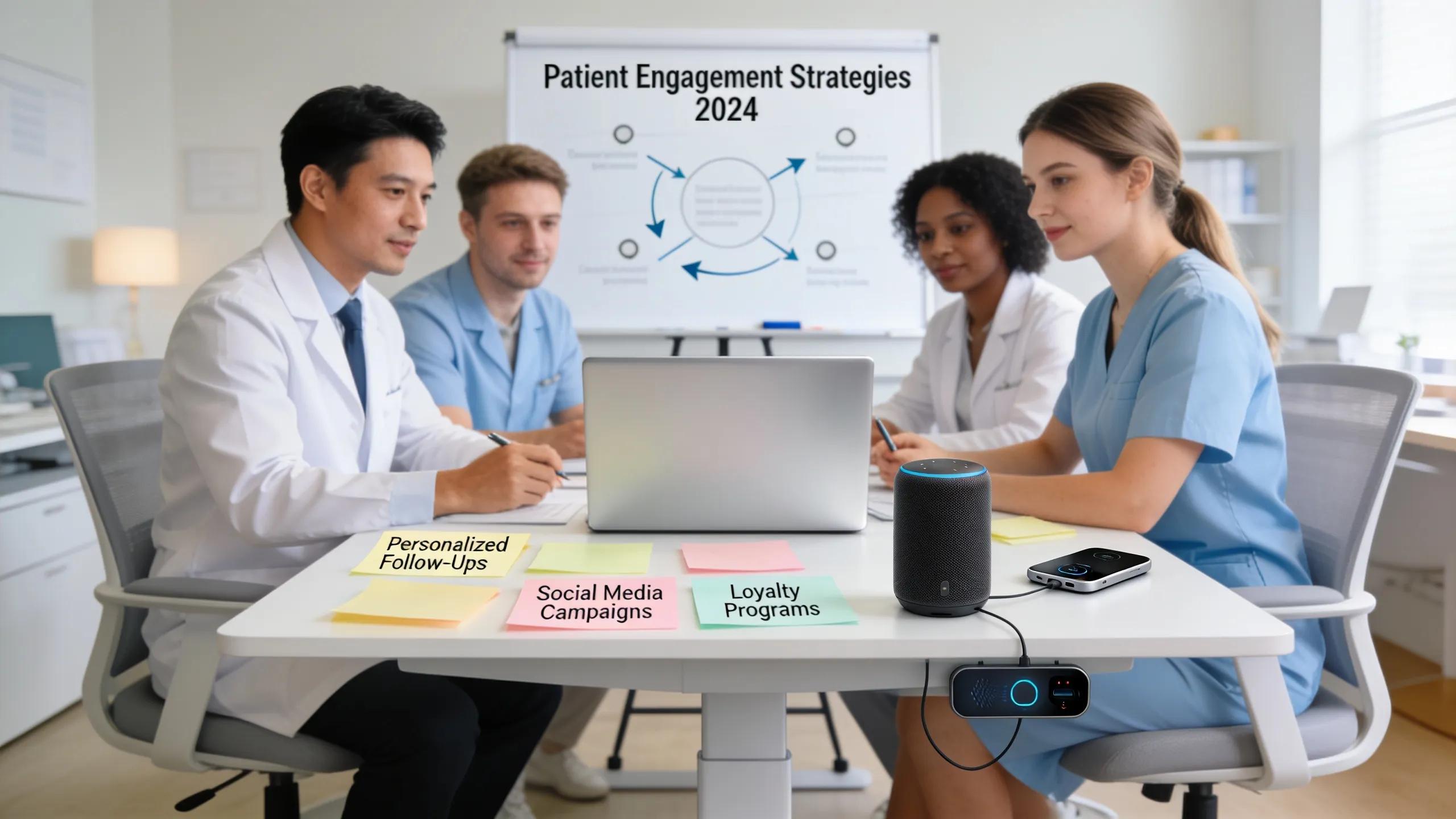
Implementing patient engagement automation requires strategic planning and execution. Best practices include:
- Utilize AI Chatbots: Deploy chatbots to handle common inquiries, freeing staff for more complex patient interactions.
- Automate Routine Tasks: Streamline repetitive administrative tasks to improve staff productivity and patient experience.
- Data Capture and Analytics: Use automation to gather data on patient interactions, preferences, and behaviors for informed decision-making.
- Personalized Communication: Tailor AI messages based on individual patient data to foster stronger connections.
- Continuous Monitoring and Optimization: Regularly assess automated processes to ensure they adapt to changing patient needs and preferences.
By following these practices, medical spas can ensure a successful integration of automation into their patient engagement strategies.
How to integrate AI speed to lead technology with existing CRM systems?
Integrating AI speed to lead technology with existing CRM systems can significantly enhance scheduling and patient management through several steps:This integration often involves sophisticated AI platforms.
- Assess Current Systems: Evaluate the existing CRM to determine compatibility and the best approach for integration.
- Select Appropriate AI Tools: Choose AI solutions that align with current systems and can effectively integrate into existing workflows.
- Automate Lead Qualification: Set up the AI to automatically qualify leads and sync data to the CRM for streamlined access.
- Data Synchronization: Ensure that patient data flows between the CRM and AI systems for accurate reporting and interaction history.
- Set Up Automated Workflows: Create workflows that automatically assign qualified leads to staff based on real-time data and inquiry details.
This integration helps utilize existing resources while enhancing the med spa’s ability to manage patient interactions effectively.
Which strategies improve patient experience through AI communication?
A variety of strategies can enhance patient experience through AI communication in med spas:Effective AI communication is key to this.
- Immediate Responses: AI systems should be configured for prompt replies to ensure patients feel attended to without delays.
- Automate Follow-Ups: Post-interaction follow-ups can help reinforce engagement and address any lingering patient inquiries.
- Personalized Communication: Customizing messages based on known patient data can significantly improve the relational aspect of interactions.
- Multichannel Engagement: Providing multiple channels (like SMS, email, or website chat) improves accessibility and convenience for patients.
Implementing these strategies can lead to a more positive patient experience, increasing satisfaction and loyalty.
How Do Answer Engine and Generative Engine Optimization Boost AI Search Visibility?
Optimizing for answer engine and generative engine strategies allows med spas to enhance their online presence significantly. Key areas of focus include:This is where advanced AI search optimization comes into play.
- User Intent Analysis: Understanding what patients are searching for helps tailor content and responses that meet those needs directly.
- Structured Content: Organizing information clearly improves how search engines process and display content, increasing visibility.
- Conversational Query Optimization: Adjusting content to match conversational queries can enhance relevance and user engagement.
These optimization strategies can elevate AI search visibility, making it easier for potential patients to find relevant services.
What is the role of answer engine optimization in med spa AI marketing?
Answer engine optimization (AEO) plays a pivotal role in enhancing the visibility and effectiveness of marketing strategies for med spas:AI marketing strategies are crucial here.
- Increased Visibility: AEO leads to higher rankings in search engine results, driving more traffic to spa websites.
- Improved User Satisfaction: By focusing on user needs, AEO enhances the relevance of provided content, resulting in better patient experiences.
- Focus on User Intent: Understanding and addressing user intent allows spas to create more targeted and effective marketing strategies.
Implementing AEO can significantly improve the efficiency of digital marketing efforts.
How does generative engine optimization support patient booking automation?
Generative engine optimization (GEO) enhances patient booking processes through efficient automation and engagement:This is where AI-driven optimization is essential.
- Enhanced Engagement: GEO strategies ensure that patient interactions are informative and valuable, encouraging ongoing dialog.
- Faster Response Times: By optimizing for real-time information delivery, patients receive quicker assistance, enhancing the likelihood of them booking appointments.
- Higher Qualification Accuracy: Improved data handling through GEO results in more accurate identification of patient needs and booking preferences.
This approach helps med spas improve operations and patient interactions.
Optimizing Salon Services with AI-Driven Appointment Automation
By applying Business Process Reengineering (BPR) and simulation modeling, the function of an automated appointment management system was advanced to make service flow more efficient, staff utilization more productive, and customer experience more pleasant. Through simulation, it was visible that the automated system had brought down the average service time to 20 minutes, and the AI-based generative model had further optimized the process, thus, appointments could be completed within 10 minutes only.
OPTIMIZING SALON SERVICES: REDUCING SCHEDULING ERRORS AND WAIT TIMES THROUGH AUTOMATION, R Choudhary, 2025
What Are Case Studies and ROI Metrics Demonstrating AI’s Impact on Med Spa Bookings?
Evaluating case studies and ROI metrics can provide valuable insights into the effectiveness of AI implementations in med spas. Key metrics to assess include:Analyzing case studies on AI impact is vital.
- Success Rates: Analyzing booking statistics before and after AI implementation provides a clear picture of its efficacy.
- ROI Metrics: Financial analysis highlighting how AI has contributed to increased revenue through enhanced booking rates.
- Patient Outcomes: Reviewing feedback and satisfaction scores can indicate improvements in patient experiences linked to AI usage.
These analyzes assist spas in understanding the tangible benefits of adopting AI technologies.
Which med spa patient outcomes showcase AI booking automation success?
Specific outcomes can exemplify the success of AI booking automation in med spas, including improved appointment adherence rates and enhanced customer satisfaction scores.
How to measure ROI and lead responsiveness using AI speed to lead technology?
To measure the ROI and lead responsiveness, med spas can implement the following strategies:Utilizing AI speed-to-lead technology is instrumental.
- Conversion Rates: Track the percentage of inquiries that result in actual appointments to gauge effectiveness.
- Lead Quality Scores: Assign scores based on lead engagement and eventual booking to assess the quality of interactions.
- Cost per Lead: Analyze the expenditure per lead acquired through AI systems to evaluate cost-effectiveness against traditional methods.
These metrics enable spas to understand the financial and operational implications of adopting AI in their patient engagement strategies.