
By Eric Siversen, InnovAit AI
As artificial intelligence continues to revolutionize digital marketing landscapes, the expertise required to rank effectively on leading AI-powered platforms such as Perplexity, ChatGPT, and Gemini is more critical than ever. This comprehensive guide leverages the Technical Generative Engine Optimization (GEO) Playbook, a strategic framework designed to amplify visibility and engagement on AI-driven answer engines by synergizing traditional SEO with innovative methodologies tailored for generative AI search. Readers will uncover actionable, data-driven strategies that integrate Generative Engine Optimization (GEO) with Answer Engine Optimization (AEO), creating a dual-lens approach optimized for conversational search queries and the retrieval-augmented generation models underpinning these platforms.
Many businesses find it challenging to rapidly adapt to the evolving AI search algorithms and novel content interaction paradigms. By harnessing insights from this playbook, marketers can effectively decode algorithmic intricacies and strategically position their brands in AI-powered search results. The following sections delve into the foundational elements of the Technical GEO Playbook, elaborate on its core principles, explore advanced AEO techniques including structured data markup integration, and examine emerging industry trends supported by empirical case studies spanning 2024 to 2026.
The Technical GEO Playbook: Why Your AI Visibility Depends on It
The Technical GEO Playbook offers a meticulous blueprint for optimizing digital content specifically targeted at AI answer engines, focusing on maximizing search performance, relevance, and user engagement in environments fundamentally different from traditional keyword-based search engines. Its significance arises from the necessity to tailor content strategies to the operational dynamics of AI systems that heavily utilize conversational search queries and retrieval-augmented generation to deliver precise, contextually relevant answers.
Defining Generative Engine Optimization Principles
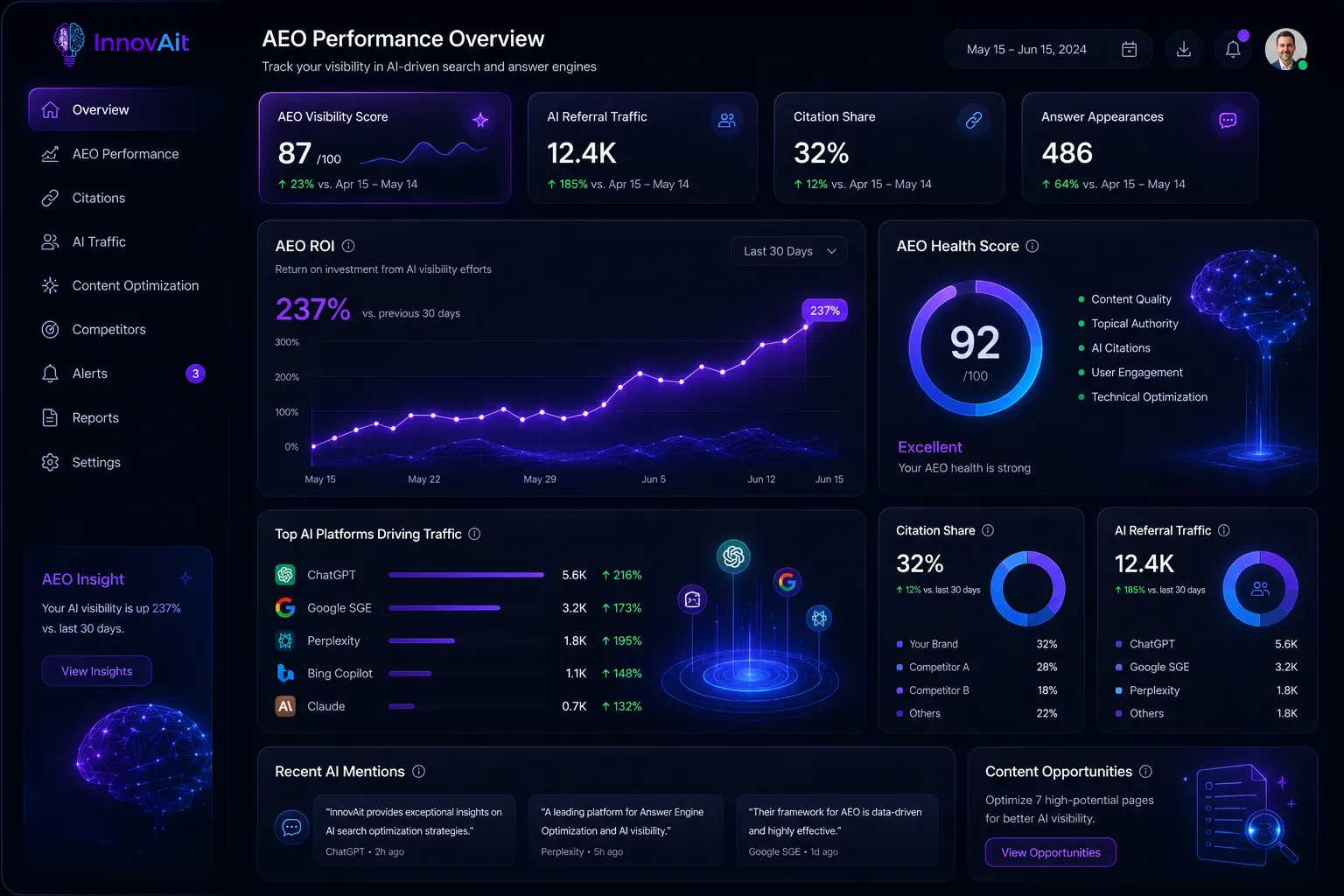
Generative Engine Optimization (GEO) encompasses a comprehensive set of best practices dedicated to augmenting search visibility on AI engines by prioritizing semantic relevance, context alignment, and user intent mapping. The fundamental principles of GEO include:
- Semantic Relevance and Contextual Depth: Emphasizes delivering content that not only matches direct queries but anticipates and aligns with nuanced conversational search queries, enhancing the AI’s ability to interpret intent through retrieval-augmented generation techniques.
- User Engagement through Structured and Interactive Content: Encourages the development of content that invites active interaction, such as Q&A formats and dynamic elements, fostering a symbiotic relationship between AI systems and users to boost content prominence.
- Data Structuring with Advanced Markup Implementation: Mandates the use of structured data markup standards like schema.org, enabling AI algorithms to semantically parse and index content accurately, thereby improving answer synthesis and snippet generation.
These principles position GEO as a transformative evolution beyond traditional SEO, specifically tailored to the complex cognitive and linguistic frameworks powering modern AI search engines.
How GEO Complements Answer Engine Optimization Strategies
GEO operates symbiotically with Answer Engine Optimization (AEO), which focuses on optimizing content for AI’s answer provision capabilities. The fusion of GEO and AEO ensures content fidelity not only to conventional ranking algorithms but also to advanced AI interpretation layers, encompassing conversational search dynamics and retrieval-augmented generation mechanisms. This synergy enhances discoverability and elevates the quality of AI-generated responses, creating a robust competitive advantage.
Which Answer Engine Optimization Techniques Improve Rankings on Perplexity, ChatGPT, and Gemini?
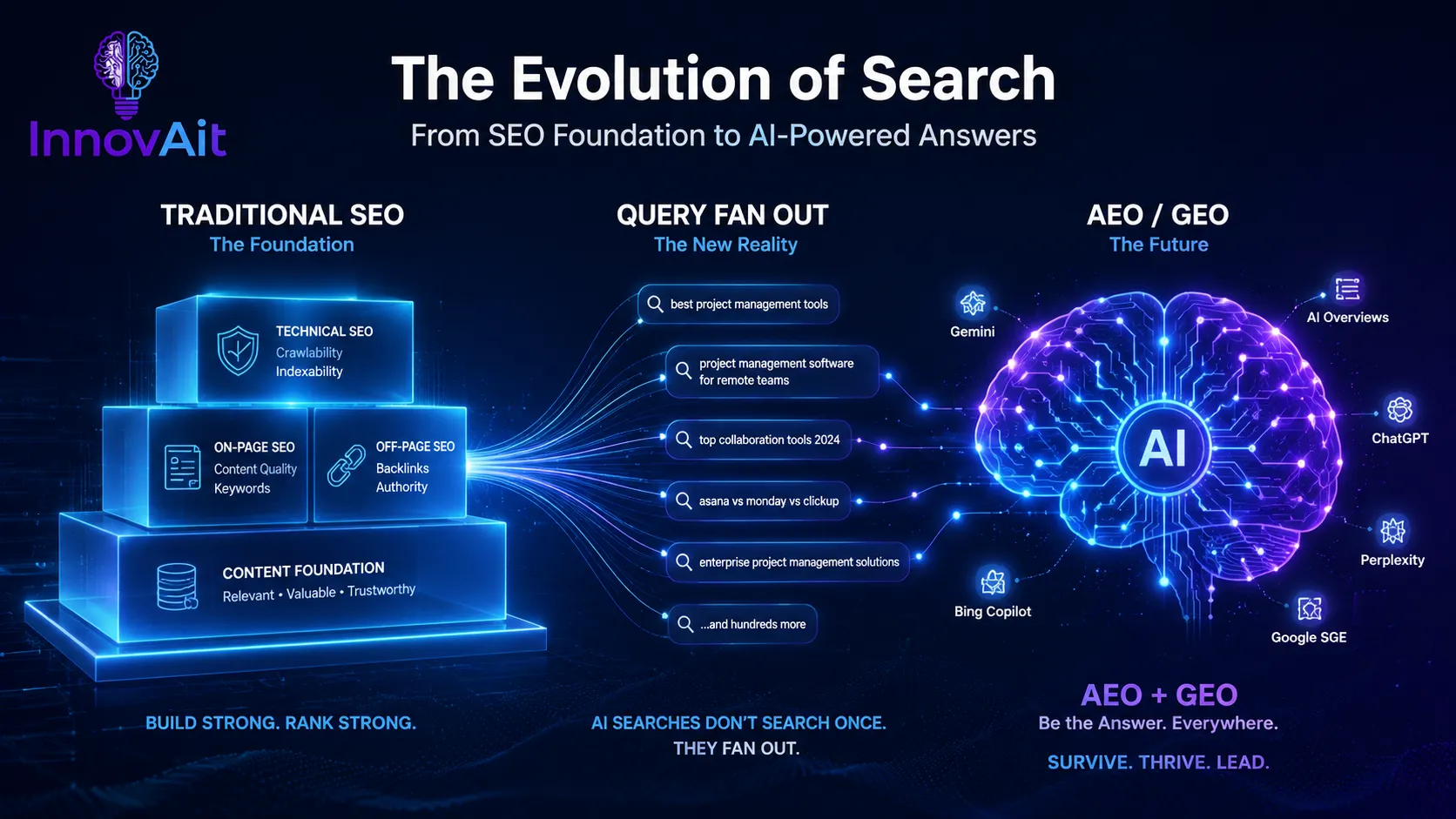
Proven Answer Engine Optimization (AEO) techniques are essential for enhancing content visibility and ranking on AI platforms such as Perplexity, ChatGPT, and Gemini. These methods focus intensively on user intent modeling, semantic content engineering, and leveraging conversational search insights for optimal structuring and engagement.
Optimizing Content for AI Answer Engines and Semantic SEO
Achieving prominent rankings within AI search engines requires a strategic emphasis on interpreting conversational search queries and architecting content around user intent articulated in natural language. Effective techniques include:
- Comprehensive User Intent Identification: Utilizing advanced analytics and conversational query modeling to tailor content that directly answers specific, often multi-layered questions users pose in natural language.
- Semantic Structuring and Readability Optimization: Deploying clear content hierarchies with headings, subheadings, bullet points, and succinct paragraphs, which serve both human readers and AI’s retrieval-augmented generation processes.
- Applying E-E-A-T (Experience, Expertise, Authority, Trustworthiness) Principles: Establishing credibility through authoritative content backed by reliable sources, ensuring content is both factual and insightful to elevate ranking potential.
These strategies reinforce the imperative of crafting authoritative, user-centric content that excels in both human readability and AI semantic processing.
Structuring Content to Enhance AI Chatbot Responsiveness
The optimization of content structure directly influences AI chatbot responsiveness and answer quality. Best practices include:
- Enhanced Content Clarity and Accessibility: Utilizing straightforward, jargon-free language to ensure messages are comprehensible across diverse user segments and AI interpretive models.
- Utilization of Bullet Points, FAQs, and Structured Data Markup: Implementing these elements promotes swift information retrieval, enabling AI engines to parse and deliver concise, accurate answers efficiently.
- Driving User Interaction through Conversational Elements: Incorporating Q&A formats and interactive components increases engagement metrics, feeding positive signals into AI ranking algorithms that favor dynamic user involvement.
Adopting these content structuring protocols ensures enhanced interaction with AI systems and improves the relevance of chatbot-generated responses.
How Do Platform-Specific Ranking Algorithms Differ Among Perplexity, ChatGPT, and Gemini?
Tailoring optimization efforts necessitates a clear understanding of the distinctive ranking algorithms powering Perplexity, ChatGPT, and Gemini, each of which employs unique methodologies sensitive to user behavior dynamics and conversational data processing.
Comparison of Ranking Factors in Perplexity AI Search
Perplexity AI emphasizes a nuanced approach to ranking that balances multiple factors to maximize content precision and engagement. Notable ranking determinants include:
- Contextual Content Relevance: Priority is given to content exhibiting high-quality semantic alignment with both direct queries and related conversational search queries.
- User Behavior Metrics and Engagement Signals: Metrics such as click-through rates, dwell time, and bounce rates are critical indicators reflecting content efficacy and user satisfaction.
- Semantic Associations and Topic Modeling: The algorithm favors content that demonstrates a deep contextual understanding via related semantic concepts and entities, enabling superior retrieval-augmented generation outputs.
Unique Ranking Traits of ChatGPT and Gemini AI Engines
Both ChatGPT and Gemini exemplify distinctive algorithmic traits tailored to conversational and comprehensive answer delivery:
- Conversational Relevance and Natural Language Fluency: ChatGPT privileges content that facilitates seamless, natural dialogue, promoting materials that effectively mirror human conversational patterns.
- Comprehensive Depth of Coverage: Gemini’s ranking favors extensive, well-researched content that fully addresses user inquiries with rich detail and multi-dimensional insights.
- Adaptive Dynamic Interaction: Both engines continuously adjust rankings leveraging real-time user feedback and interaction patterns, enabling a responsive search ecosystem that evolves with user preferences.
These characteristics underscore the imperative for marketers to develop versatile, nuanced optimization strategies finely tuned to each AI engine’s strengths.
What Are the Best Practices for Implementing the Technical GEO Playbook in AI Search Marketing?
Executing the Technical GEO Playbook requires systematic strategy development combined with rigorous tactical implementation, focusing on the core objective of enhanced search performance through precise semantic alignment and structured data utilization.
Step-by-Step Guide to Applying GEO Frameworks
The GO playbook’s implementation can be distilled into clear, actionable stages to maximize effectiveness:
- Comprehensive Content Audit: Analyze and evaluate all existing content assets to ensure alignment with GEO principles, particularly focusing on semantic relevance and structured data markup adoption.
- Semantic Structuring and Markup Enhancement: Integrate advanced structured data markup across content assets, including FAQ schema and conversational search enhancements, enabling superior AI comprehension and retrieval facilitation.
- Continuous Monitoring and Iterative Optimization: Deploy analytics tools to meticulously track user engagement, query performance, and ranking fluctuations, using these insights to refine and recalibrate strategies in real time.
Adopting this rigorous, cyclical methodology guarantees that digital content evolves congruently with the dynamic AI search ecosystem.
Using Semantic Content Structuring to Boost AI Search Visibility
Semantic content structuring forms a cornerstone for attaining robust AI search visibility. Key tactical practices involve:
- Employing Structured Data Markup: Systematic use of schema.org and related vocabularies facilitates precise indexing and enhances result features such as rich snippets and voice assistant responses.
- Creating Cohesive Content Networks: Developing interconnected content clusters with semantically related topics fortifies topical authority and contextual depth, benefiting AI interpretive accuracy.
- Ongoing Performance Monitoring: Consistently analyzing engagement metrics and conversational query responses enables the identification of optimization opportunities to sustain content relevancy.
These disciplined practices ensure ongoing alignment with AI ranking algorithms that increasingly prioritize structured, semantically rich content.
Which Case Studies and Industry Trends from 2024 to 2026 Illustrate Effective AI Chatbot Ranking?
Recent empirical evidence from 2024 through 2026 substantiates the pronounced benefits of implementing GEO and AEO methodologies within AI search marketing ecosystems.
Empirical Results Highlighting SEO Performance Improvements
Multiple research initiatives demonstrate measurable performance gains attributable to the Technical GEO Playbook, characterized by:
- Marked Increases in Ranking Positions: Organizations adopting these practices report consistent elevation in average page rankings across AI-powered platforms due to optimized semantic relevance and enhanced structured data markup.
- Substantial Growth in User Engagement Metrics: There are documented improvements in key indicators such as session duration, click-through rates, and interactive content participation, driven by alignment with conversational search expectations.
Adoption Rates and Marketing Insights from Digital Marketers
The broadened adoption of GEO and AEO strategies signifies a paradigm shift in digital marketing priorities. Insights reveal:
- Expanding Market Implementation: An increasing proportion of digital marketers integrate GEO principles into their overarching strategies, reflecting recognition of AI-driven search’s growing dominance.
- Evolution in Content Development Priorities: There is a discernible transition toward prioritizing user experience, interactive engagement, and semantic richness over legacy keyword-stuffed approaches.
These trends collectively affirm the critical relevance and efficacy of advanced AI-oriented SEO frameworks in modern marketing practice.
How Can You Monitor and Update Your AI Search Ranking Strategy Effectively?
Continuous monitoring and strategic adaptation are vital to maintaining and enhancing search visibility within AI-driven search environments.
Tracking Key Performance Indicators for AI SEO Success
Effective measurement necessitates tracking specific KPIs related to both user behavior and AI operational metrics, including:
- Organic Traffic Analysis: Evaluate visitor influx via organic search channels to determine overall visibility growth and keyword resonance.
- Engagement Metrics Assessment: Monitor bounce rates, average session durations, and user interaction levels, fundamental for interpreting content relevance to conversational search queries.
- Ranking Position Dynamics: Track keyword and topic-specific ranking changes on Perplexity, ChatGPT, Gemini, and related AI platforms to gauge optimization impact.
These indicators furnish actionable insights to guide strategic refinements.
Adjusting to Algorithm Changes in Perplexity, ChatGPT, and Gemini
Proactive adaptation to evolving AI ranking algorithms is imperative. Recommended adaptive techniques include:
- Regular Content Refresh and Compliance Audits: Continuously update content to conform with latest GEO and AEO guidelines, emphasizing semantic depth and updated structured data markup schemas.
- Systematic A/B Testing: Experiment with diverse content presentations and structures to identify formats that maximize ranking and user engagement under new algorithmic conditions.
- Comprehensive User Feedback Integration: Analyze qualitative and quantitative user reactions to fine-tune content strategies, enhancing conversational search alignment and retrieval-augmented generation outcomes.
This proactive approach ensures sustained content relevancy and maximized visibility amid the rapidly evolving AI-driven search ecosystem.