AI-Driven AEO & GEO Strategies for Local Market Targeting
By Eric Siversen, AEO & GEO optimization
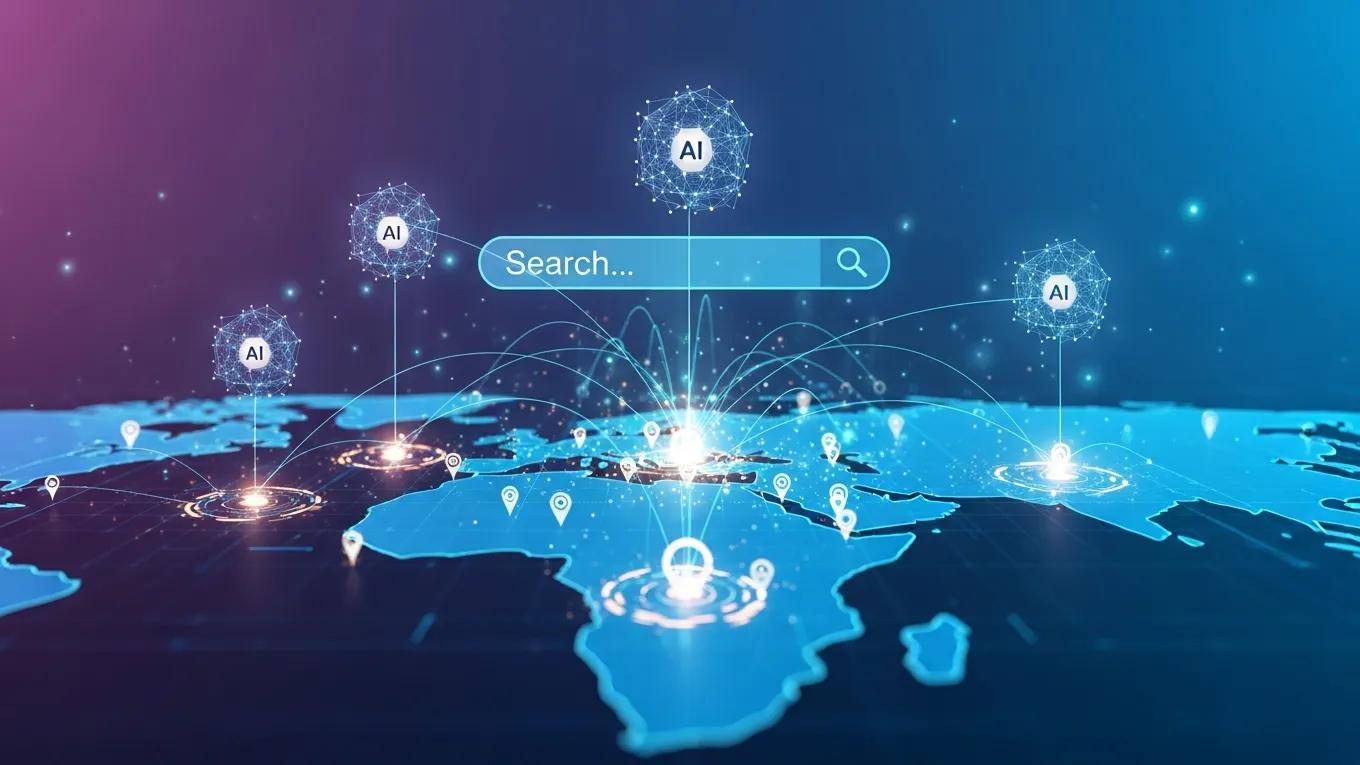
In the rapidly evolving landscape of digital marketing, small marketing agencies face the challenge of optimizing their search visibility through advanced techniques like Answer Engine Optimization (AEO) and Generative Engine Optimization (GEO). This article delves into the fundamentals of AEO and GEO, exploring how these strategies can significantly enhance local and geographic targeting for agencies. Readers will learn about the mechanisms behind these optimizations, the key concepts that define AI-driven search strategies, and the tools that can support their implementation. As agencies strive to improve their search relevance, understanding these concepts becomes crucial for addressing the pain points of visibility and engagement in a competitive market. We will cover the essential strategies, tools, and future trends that small marketing agencies should consider to stay ahead.
Indeed, the integration of AI is not merely an incremental improvement but a fundamental shift that redefines the capabilities of SEO, offering unprecedented opportunities for growth and personalization.
AI Integration in SEO: Transforming Digital Marketing
The integration of Artificial Intelligence (AI) into Search Engine Optimization (SEO) practices has ushered in a new era of digital marketing, characterized by transformative innovations and ethical considerations. This paper delves into the profound impact of AI on SEO, elucidating its multifaceted role in revolutionizing traditional approaches to optimizing online visibility and user engagement. Through advanced algorithms and machine learning techniques, AI-powered SEO tools offer unparalleled capabilities, including enhanced efficiency in keyword research, content optimization, and trend analysis. Moreover, AI enables personalized content creation tailored to individual user preferences, driving increased traffic and conversion rates.
Optimizing SEO with AI: Achieving Success Through Responsible Innovation, S Paul, 2024
What are the fundamentals of AEO and GEO for small marketing agencies?
AEO and GEO are critical components of modern search optimization strategies that focus on enhancing the relevance of search results for users. AEO refers to the optimization techniques aimed at improving how answers are delivered to users, while GEO focuses on optimizing search results based on Generative strategies. These strategies work by leveraging AI algorithms to analyze user intent and context, ensuring that the most relevant information is presented to users based on their queries and locations. For small marketing agencies, implementing AEO and GEO can lead to improved visibility, increased user engagement, and ultimately, higher conversion rates.
How do Answer Engine Optimization and Generative Engine Optimization improve search relevance?
AEO and GEO improve search relevance by utilizing advanced algorithms that analyze user behavior and preferences. AEO enhances the delivery of precise answers to user queries, ensuring that the information provided is not only accurate but also contextually relevant. This is achieved through techniques such as natural language processing and machine learning, which help in understanding the nuances of user queries. On the other hand, GEO optimizes search results based on the user’s location, ensuring that local businesses are prominently featured in search results. This dual approach not only increases the likelihood of user engagement but also fosters a more personalized search experience.
What key concepts define AI-driven local and global search optimization?
Several key concepts underpin AI-driven local and global search optimization, including:
- User Intent: Understanding what users are searching for and why is crucial for delivering relevant content.
- Contextual Relevance: The ability to provide answers that are not only accurate but also tailored to the user’s specific context, such as location and search history.
- Data-Driven Insights: Leveraging data analytics to inform optimization strategies and improve decision-making processes.
- Continuous Learning: AI systems that adapt and learn from user interactions to enhance future search results.
These concepts are essential for small marketing agencies aiming to leverage AI technologies effectively in their search optimization efforts.
Which AI tools best support local search optimization and geo targeting for agencies?
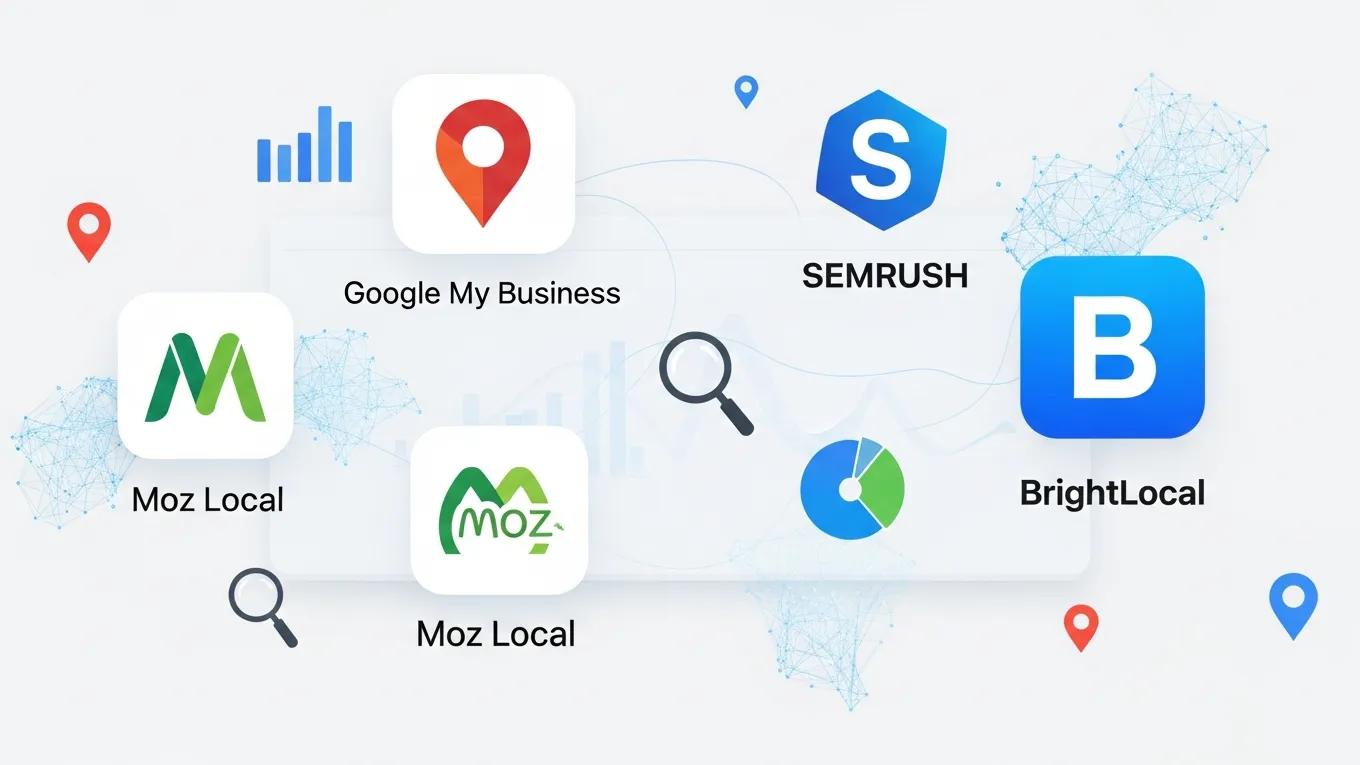
Several AI tools can significantly enhance local search optimization and geo-targeting for small marketing agencies. These tools include:
- Google My Business: Essential for managing local listings and improving visibility in local search results.
- SEMrush: Offers comprehensive tools for keyword research, competitive analysis, and local SEO strategies.
- Moz Local: Helps manage local listings and ensures consistency across various platforms.
- BrightLocal: Specializes in local SEO reporting and citation management.
These tools provide agencies with the necessary resources to implement effective AEO and GEO strategies, ultimately improving their clients’ search visibility.
How do AI algorithms enhance local SEO techniques for small agencies?
AI algorithms enhance local SEO techniques by analyzing vast amounts of data to identify patterns and trends that can inform optimization strategies. These algorithms can assess factors such as user behavior, search trends, and local competition, allowing agencies to tailor their strategies accordingly. For instance, AI can help identify the most relevant keywords for a specific geographic area, enabling agencies to optimize their content and improve their chances of ranking higher in local search results. Additionally, AI-driven tools can automate various aspects of SEO, such as tracking performance metrics and generating reports, freeing up valuable time for agencies to focus on strategy development.
How have small marketing agencies successfully implemented AEO and GEO strategies?
Many small marketing agencies have successfully implemented AEO and GEO strategies by focusing on data-driven decision-making and leveraging AI tools. For example, agencies that utilize Google My Business effectively have seen significant improvements in local search visibility. By optimizing their clients’ listings with accurate information, engaging content, and regular updates, these agencies have enhanced their clients’ chances of appearing in local search results. Additionally, agencies that employ AI-driven analytics tools have been able to refine their strategies based on real-time data, leading to more effective targeting and improved client outcomes.
What are the best agency SEO practices for integrating AI in marketing?
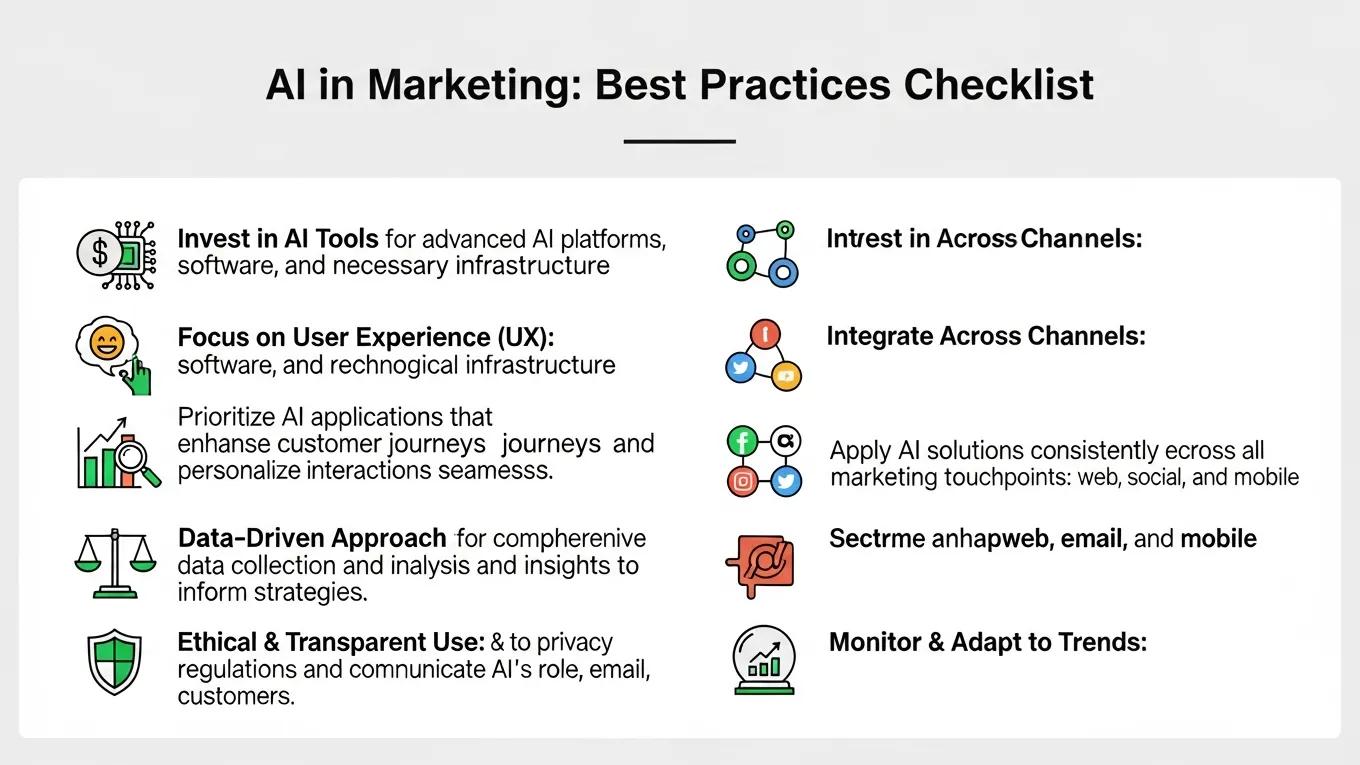
Integrating AI into marketing strategies requires a thoughtful approach. Here are some best practices for small marketing agencies:
- Invest in AI Tools: Utilize AI-driven tools for data analysis, keyword research, and performance tracking.
- Focus on User Experience: Ensure that the content delivered is user-friendly and meets the needs of the target audience.
- Leverage Data Analytics: Use data insights to inform decision-making and optimize strategies continuously.
- Stay Updated on Trends: Keep abreast of the latest developments in AI and search optimization to remain competitive.
By following these practices, agencies can effectively harness the power of AI to enhance their marketing efforts.
How can agencies apply AI to optimize geographic scope and search intent?
Agencies can apply AI to optimize geographic scope and search intent by utilizing machine learning algorithms that analyze user data and behavior. By understanding the geographic distribution of their target audience, agencies can tailor their content and marketing strategies to meet the specific needs of different regions. Additionally, AI can help identify emerging trends in user search behavior, allowing agencies to adjust their strategies proactively. This approach not only enhances the relevance of the content delivered but also improves the overall effectiveness of marketing campaigns.
What internal linking and structured data strategies boost semantic SEO?
Internal linking and structured data are crucial components of semantic SEO that can significantly enhance search visibility. Internal linking helps establish a clear hierarchy of content, guiding users and search engines through the website. By strategically linking related content, agencies can improve user engagement and reduce bounce rates. Structured data, on the other hand, provides search engines with additional context about the content, making it easier for them to understand and index the information. Implementing schema markup can enhance the visibility of search results, leading to higher click-through rates.
What future trends in AI and search optimization should small agencies prepare for?
Small marketing agencies should prepare for several future trends in AI and search optimization, including:
- Increased Personalization: As AI continues to evolve, search results will become more personalized based on user behavior and preferences.
- Voice Search Optimization: With the rise of voice-activated devices, optimizing for voice search will become increasingly important.
- Visual Search: The integration of visual search capabilities will change how users interact with search engines, requiring agencies to adapt their strategies.
- AI-Driven Content Creation: The use of AI for content generation will become more prevalent, necessitating a focus on quality and relevance.
By staying informed about these trends, agencies can position themselves to leverage new opportunities in the digital marketing landscape.
How will voice search and hyperlocal targeting evolve with AI adoption?
Voice search and hyperlocal targeting are set to evolve significantly with the adoption of AI technologies. As voice recognition technology improves, users will increasingly rely on voice search for local queries, necessitating a shift in optimization strategies. Agencies will need to focus on natural language processing and conversational keywords to ensure their content is optimized for voice search. Additionally, hyperlocal targeting will become more precise, allowing agencies to deliver highly relevant content to users based on their immediate location. This evolution will require agencies to adapt their strategies to meet the changing needs of consumers.
What industry updates from 2024-2026 impact AEO and GEO strategies?
From 2024 to 2026, several industry updates are expected to impact AEO and GEO strategies significantly. These updates include advancements in AI technologies that enhance search algorithms, changes in user behavior driven by new technologies, and evolving privacy regulations that affect data collection and usage. Agencies must stay informed about these developments to adjust their strategies accordingly. By understanding the implications of these updates, agencies can better position themselves to leverage AEO and GEO strategies effectively, ensuring they remain competitive in the digital marketing landscape.